
For Dead-Zone Operations
No signal.
No network.
No problem.
For tunnels, underground facilitiesand remote sites where cellular
service simply does not exist.
B15
Digital Relay · 30-Level Mesh
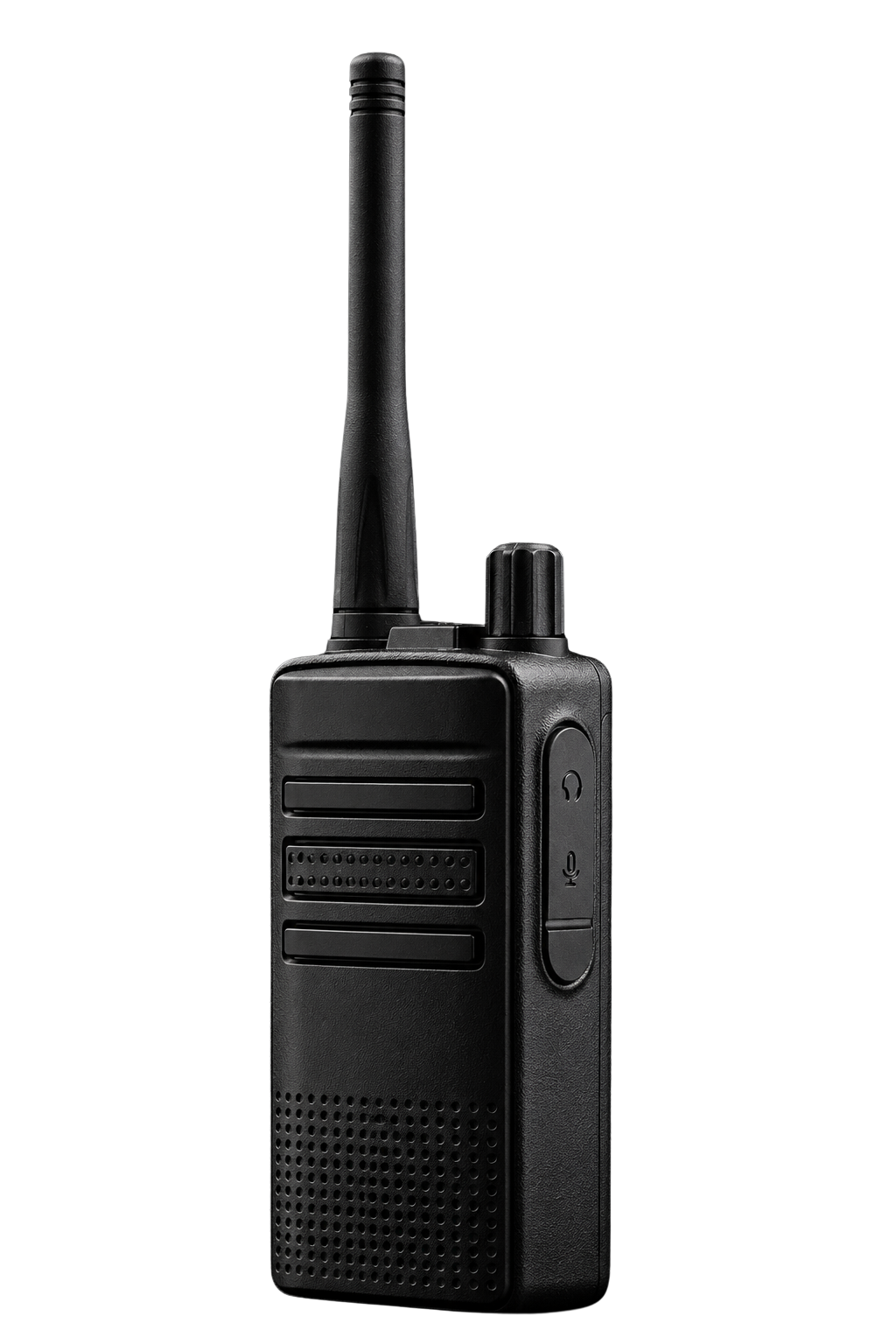
30-Level
Relay Hops
5–8km
Open-area Range
4800mAh
Battery Capacity
5W
Output Power
Up to
30
Relay Hops
Cellular ends
B15 continues ↓
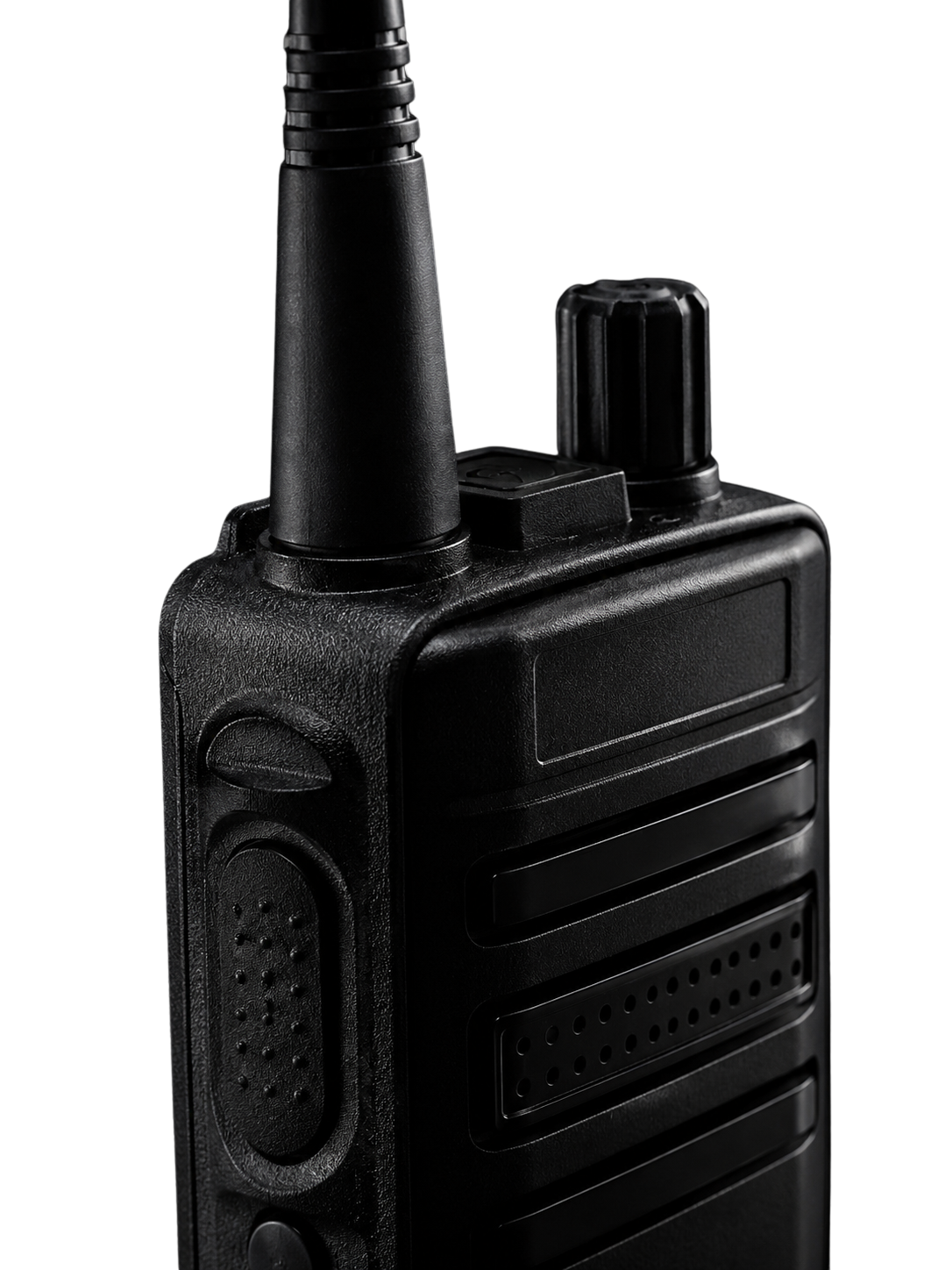
30-Level Relay
Communication
Just connection. How mesh networking works →
Communication
where coverage ends.
Every radio extends the next,
creating a self-organizing relay chain.
Just connection. How mesh networking works →
Off-Grid Coverage
Coverage ends.
Coverage ends.
Communication doesn't.
Cellular stops. Operations continue.
Basements / Tunnels / Deep Sites
Military-Grade Encryption
Every word.
used by frontline security teams.
Every word.
Stays between you.
What's said on channel stays on channel.
The same encryption standardused by frontline security teams.
Built for the toughest sites
Not designed for open fields.
Designed for where signal dies.
Where signal dies — B15 works
No Cellular
Underground
Long Distance
Tunnels
Mining
Metro Construction
Construction Sites
Security & Property
Utilities
Specifications
Built to spec.
5W
Output Power
5–8km
Range
400–470
Frequency MHz
4800
Battery mAh
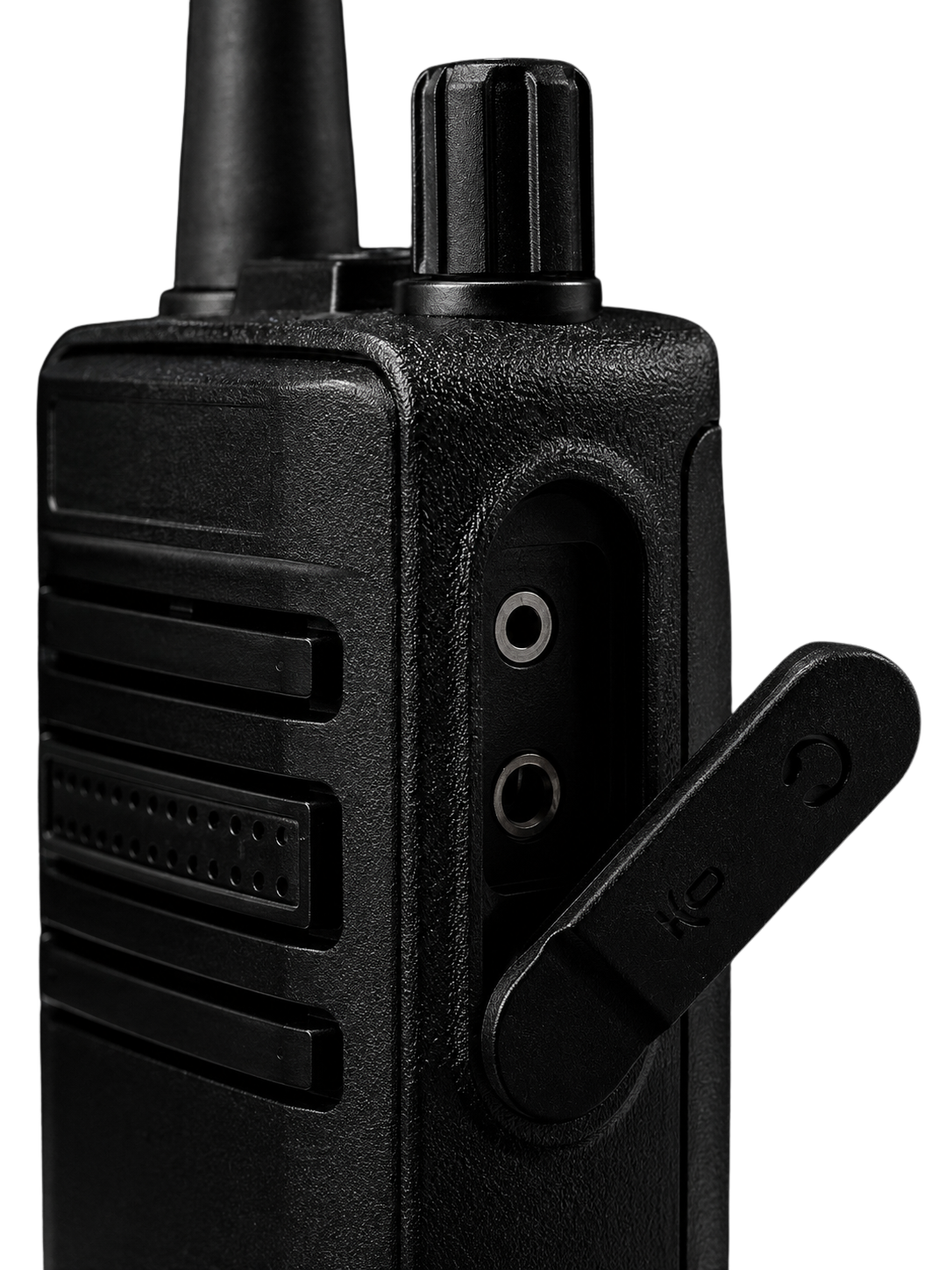
Model
LINQRON B15
Mode
Digital Relay · Auto Mesh
Relay
30-Level · Auto Mesh
Charging
USB-C
Dimensions
55 × 125 × 35 mm
Frequency
400–470 MHz
Voltage
7.4V
Battery
4800 mAh
Encryption
Military-grade
In Box
Antenna · Battery · Lanyard · Belt Clip · Charger
Learn more
Core Guide
What Is a Self-Organizing Mesh Radio Network?
How multiple digital radios automatically form a local network — the technology behind B15.
Relay Guide
What Is 30-Hop Mesh Relay in Digital Two-Way Radios?
How hop-by-hop forwarding reduces dead zones in tunnels, warehouses and underground sites.
Get Started
Have a dead-zone problem?
Have a dead-zone problem?
Let's design the relay.
Tell us your site layout, floor count, distance and team size.
We'll map a relay configuration that covers every corner.