
Secure Voice Communication
Support more controlled communication workflows for scenarios where operational stability and structured access matter.
RUIMU provides a secure communication solution for government and private network environments, connecting command centers, field personnel, vehicle units and supervisory nodes through digital radio, dual-mode terminals, dispatch platform linkage and stable hybrid network deployment.
Government and enterprise communication environments often require stronger control, more stable coverage and more secure operational linkage than standard public network communication can provide.
RUIMU builds a secure communication workflow linking command centers, department users, vehicle units and supervisory roles through digital radios, PoC terminals and dispatch-side visibility.
Support daily communication, command linkage, field coordination and secure voice or data workflows across government agencies, enterprise campuses and controlled communication environments.

A secure communication structure linking field users, vehicle units, command centers and supervisory nodes through digital radio, public, private or hybrid network deployment.
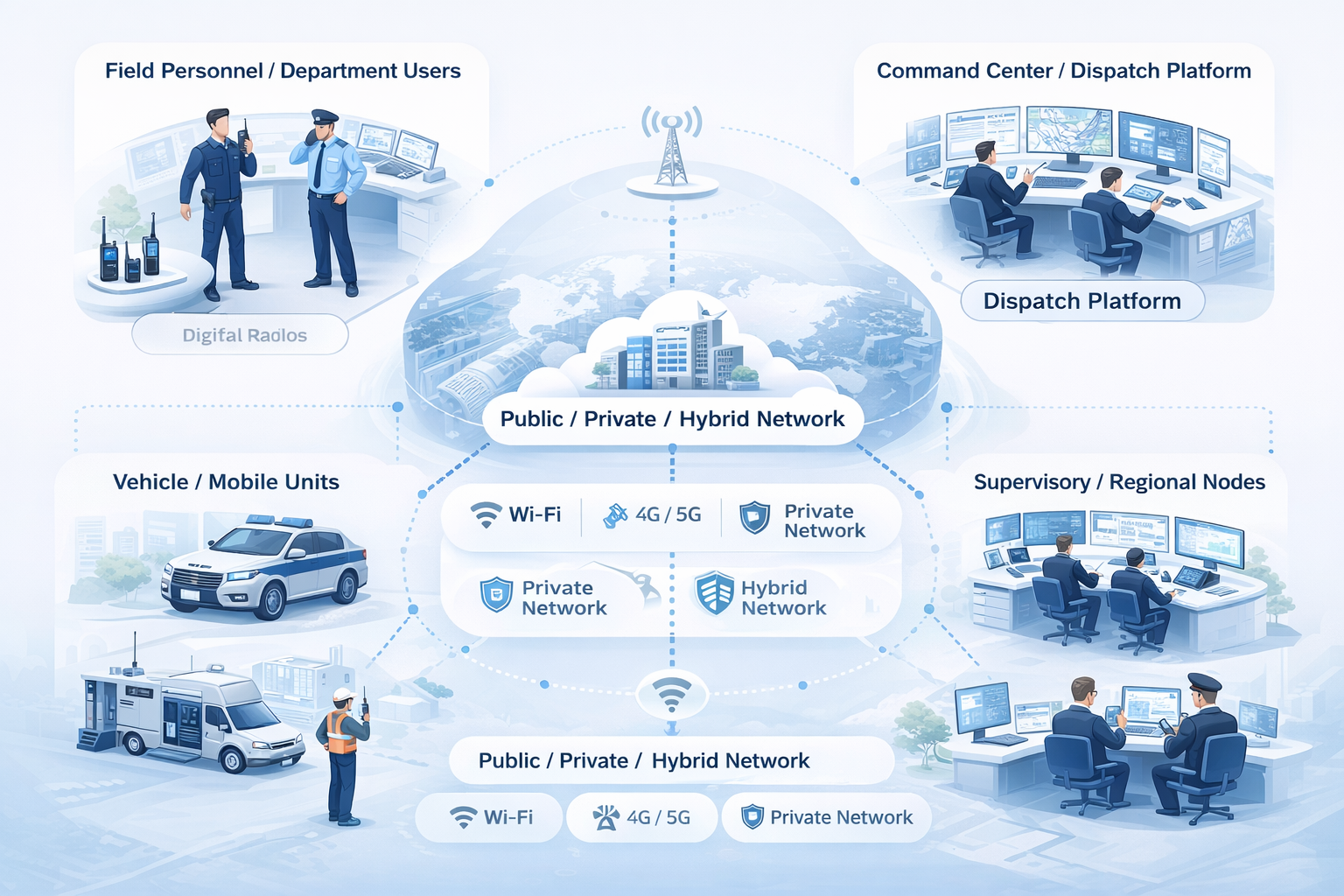
The solution is designed to support secure communication, controlled deployment, command linkage and stable long-term operation across government and enterprise environments.
Support more controlled communication workflows for scenarios where operational stability and structured access matter.
Build communication structure around public, private or hybrid network models depending on deployment conditions.
Strengthen linkage between field communication and supervisory or dispatch-side control platforms.
Enable communication workflows that include moving units, mobile terminals and regional coordination points.
Support consistent communication between department users, control-side operators and distributed field roles.
Improve communication continuity and structural reliability for controlled institutional or enterprise deployments.
The solution can be adapted to government command environments, enterprise private network deployment and regional mobile communication linkage.

Support communication linkage between command-side operators and distributed field personnel in structured operational environments.
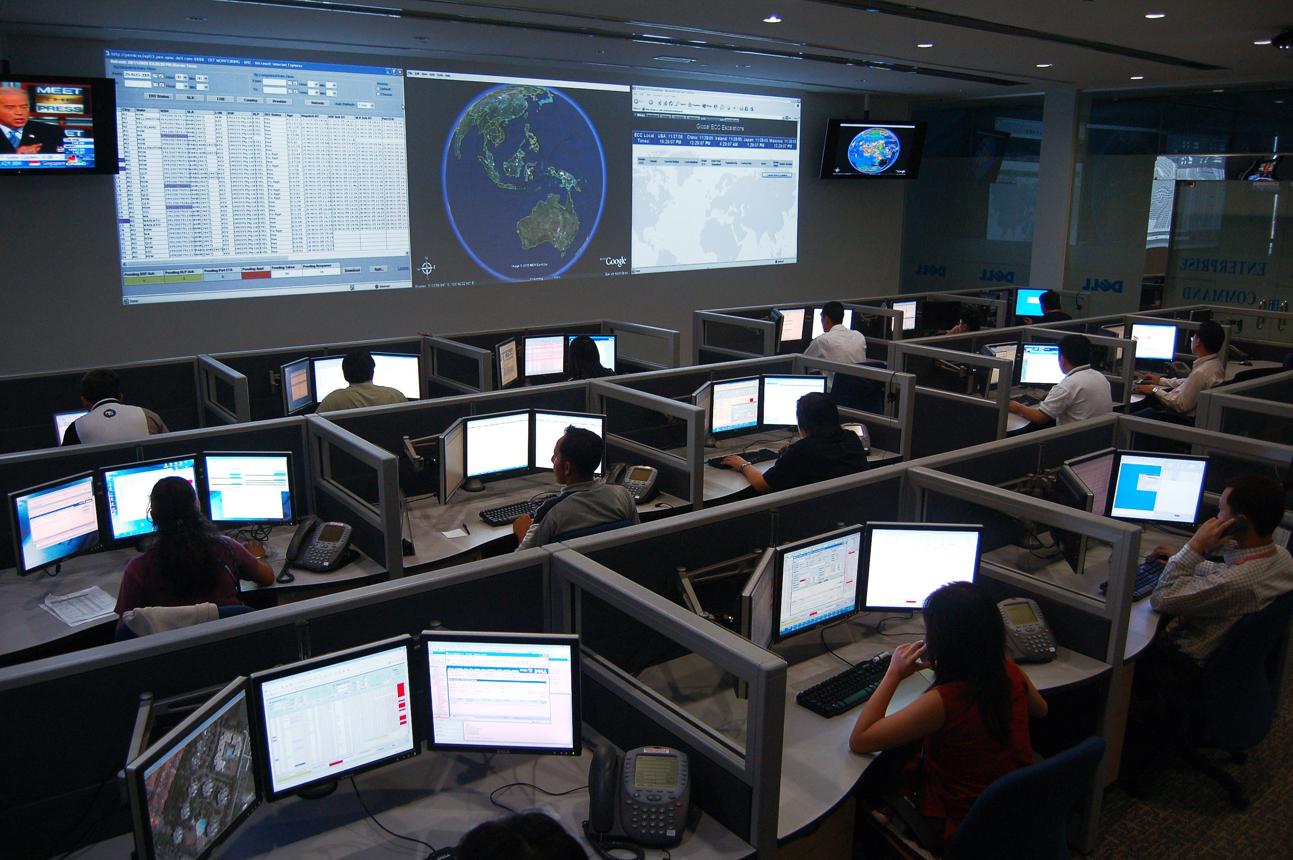
Provide stable communication support for enterprise campuses, industrial zones and other controlled private network environments.
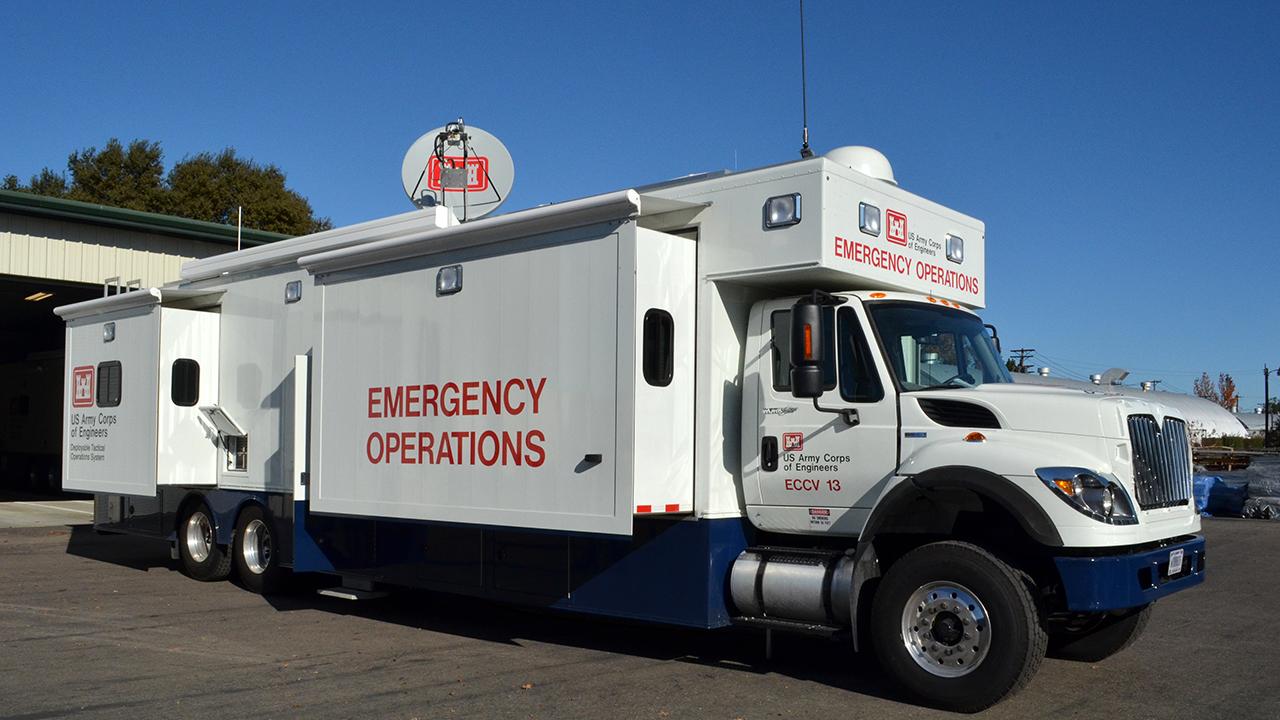
Improve communication continuity between vehicle units, mobile roles and supervisory nodes across wider-area deployment scenarios.
These devices and platforms can be combined into a practical communication workflow for government agencies, private network operators, mobile units and command-side supervisors.
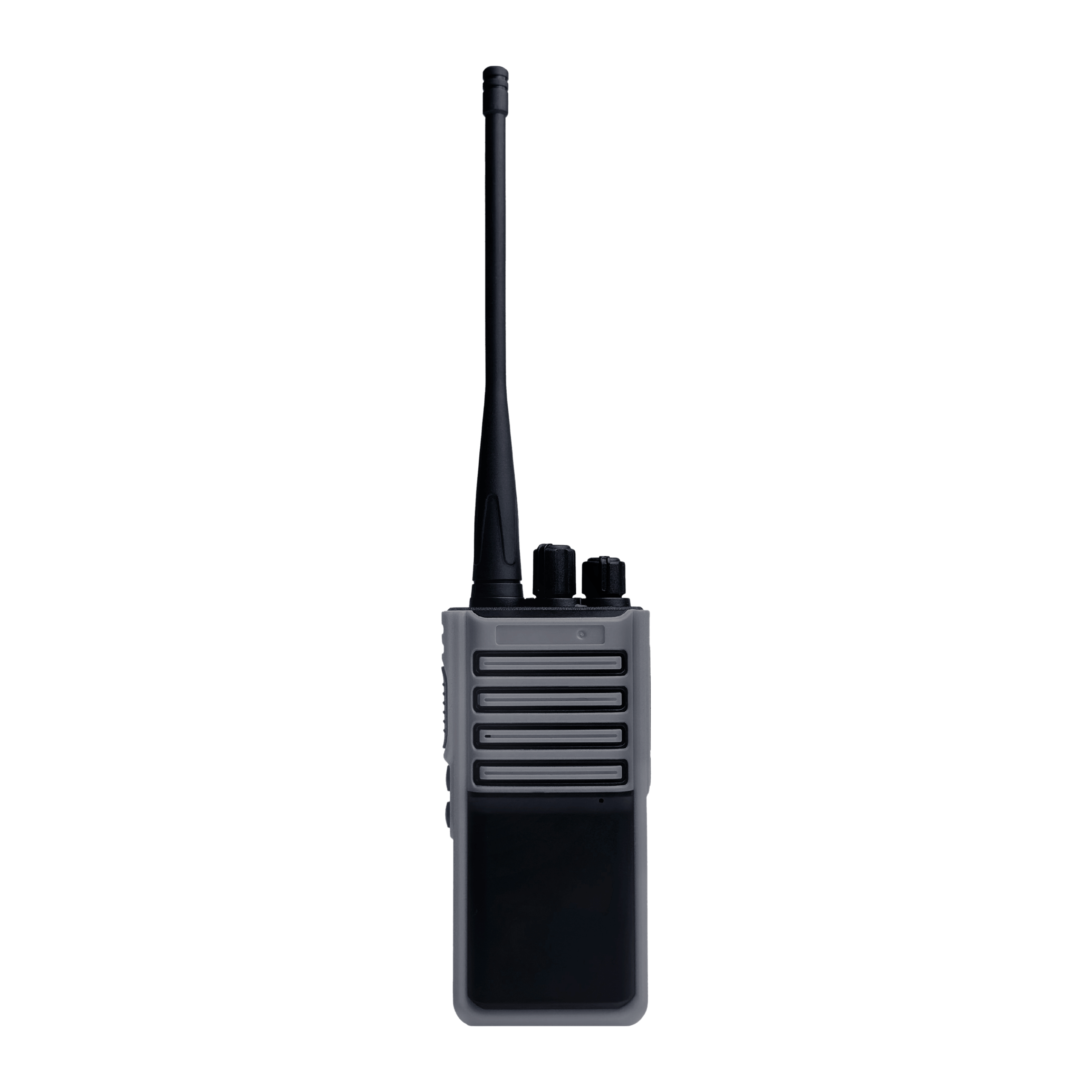
Suitable for department users and daily secure voice communication in structured operational environments.
View Products
Support more flexible communication workflows where public and private or hybrid access may both be needed.
View Products
Suitable for vehicle-side deployment and mobile unit communication under coordinated command structures.
View Products
Support centralized supervision, dispatch linkage and more structured visibility across field and mobile communication roles.
View ProductsTell us about your communication scenario, user roles, command structure and deployment requirements, and we will help recommend a more suitable secure communication solution.