
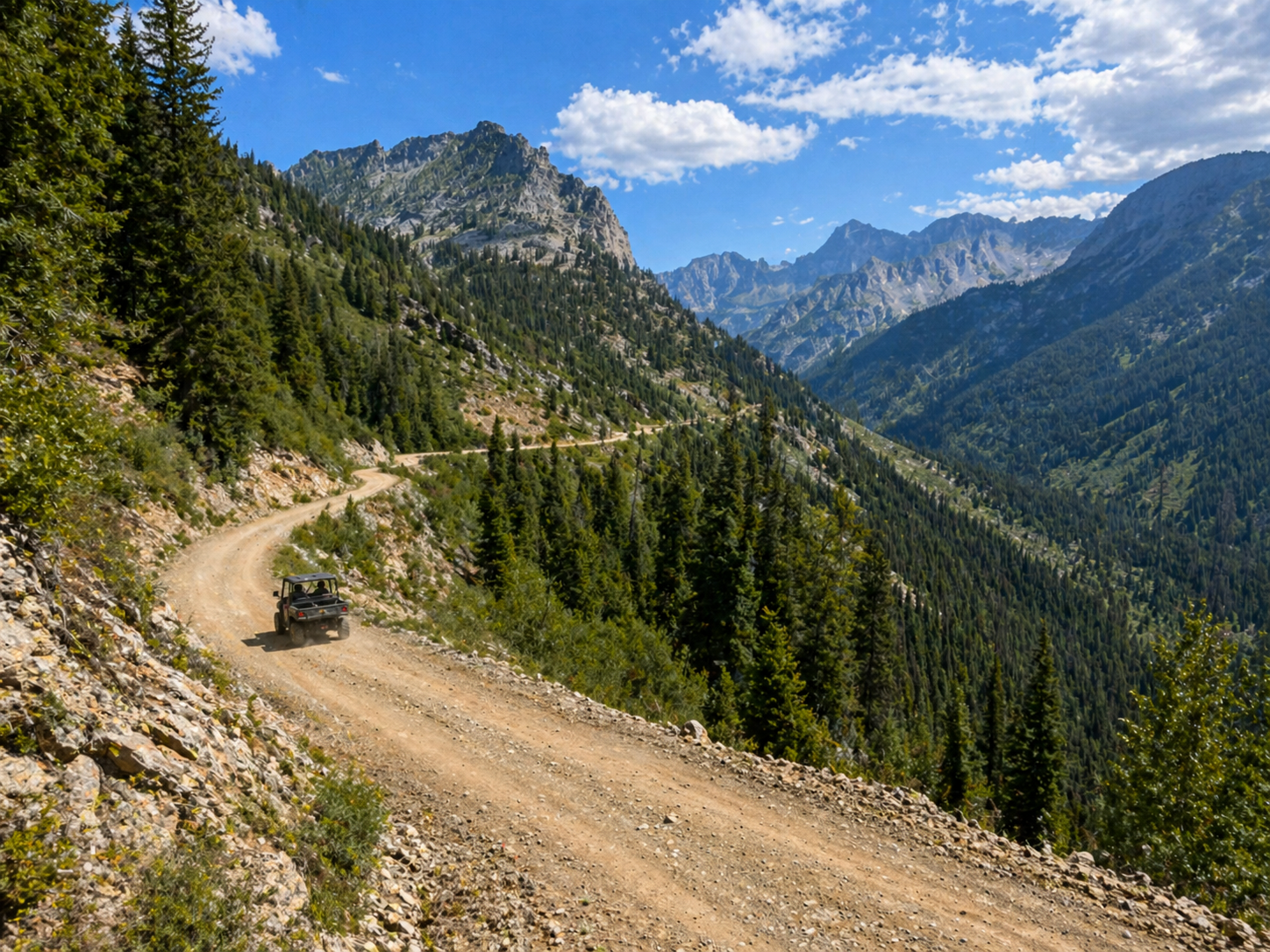
Remote Mountain Terrain
Patrol routes pass through ridges, valleys and forested areas where public-network coverage can be weak or unavailable.
Continuous communication across long mountain patrol routes, ensuring safety, visibility and coordination in remote terrain.
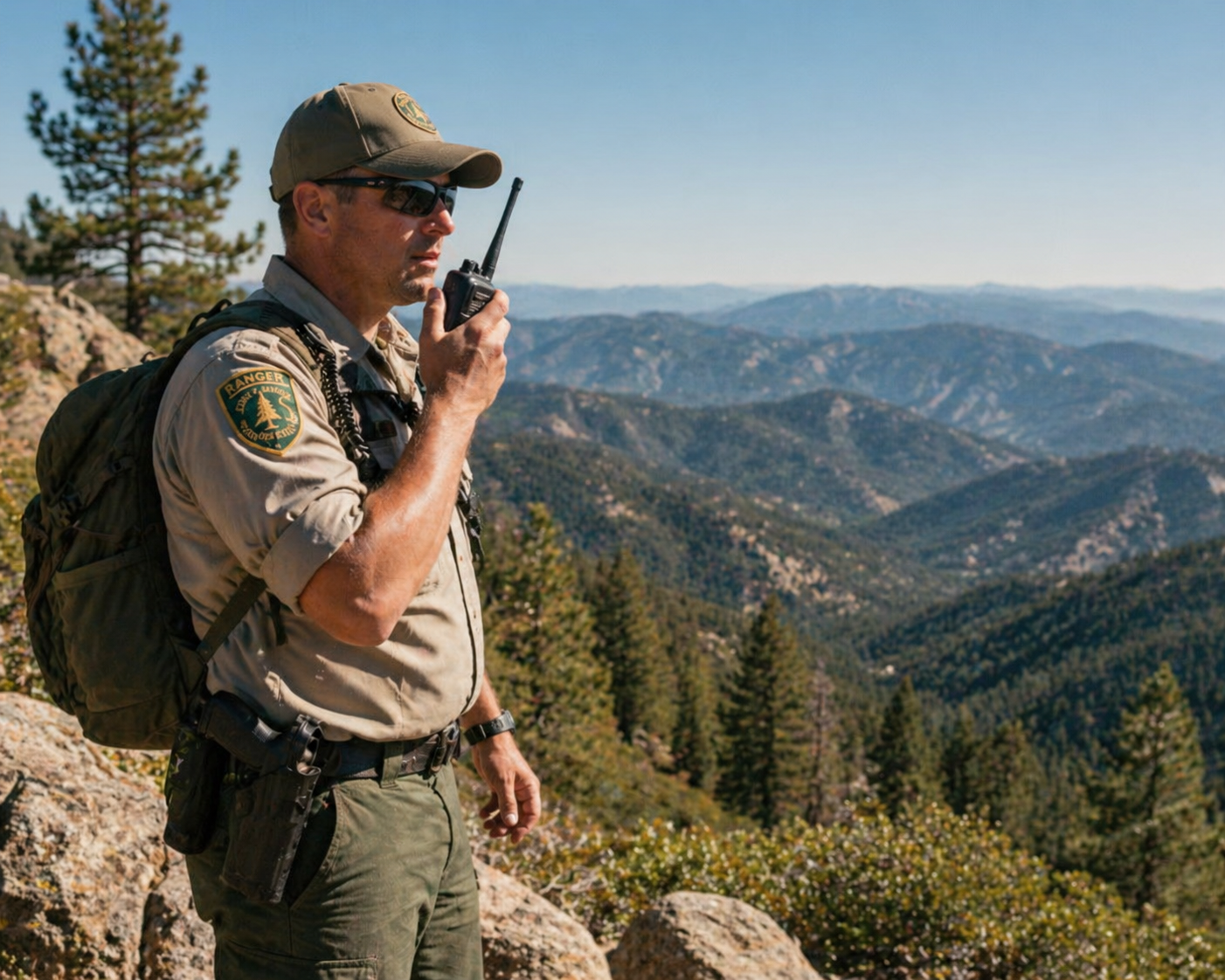
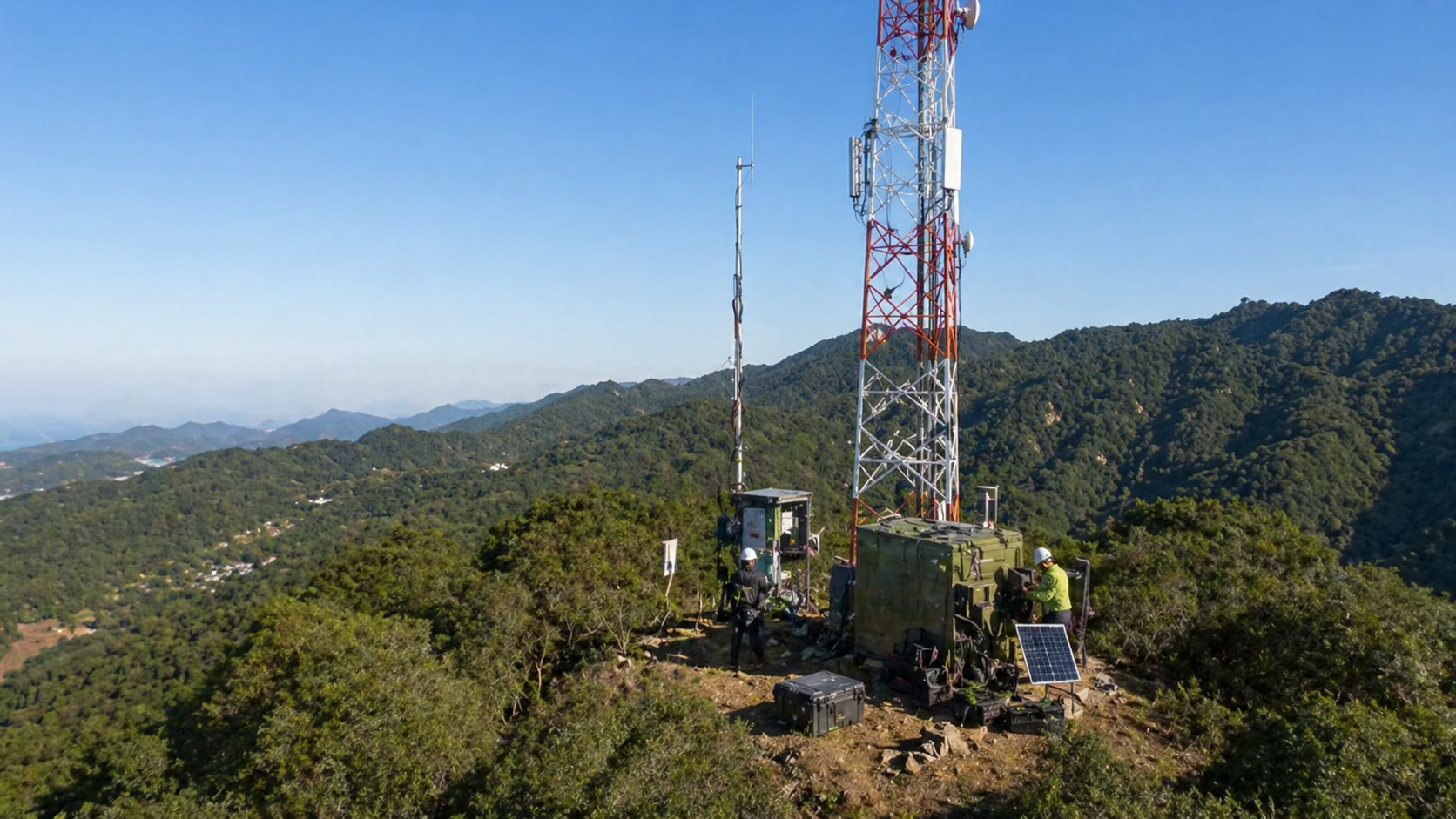
Mountain patrol routes are long, dispersed and topographically complex. Terrain can block ordinary signals, while patrol teams must stay connected across ridges, valleys, forest paths and remote sections.
The system was designed to build a dedicated remote-area communication network using self-organizing base stations, same-frequency networking, patrol terminals, positioning and dispatch-side visibility.
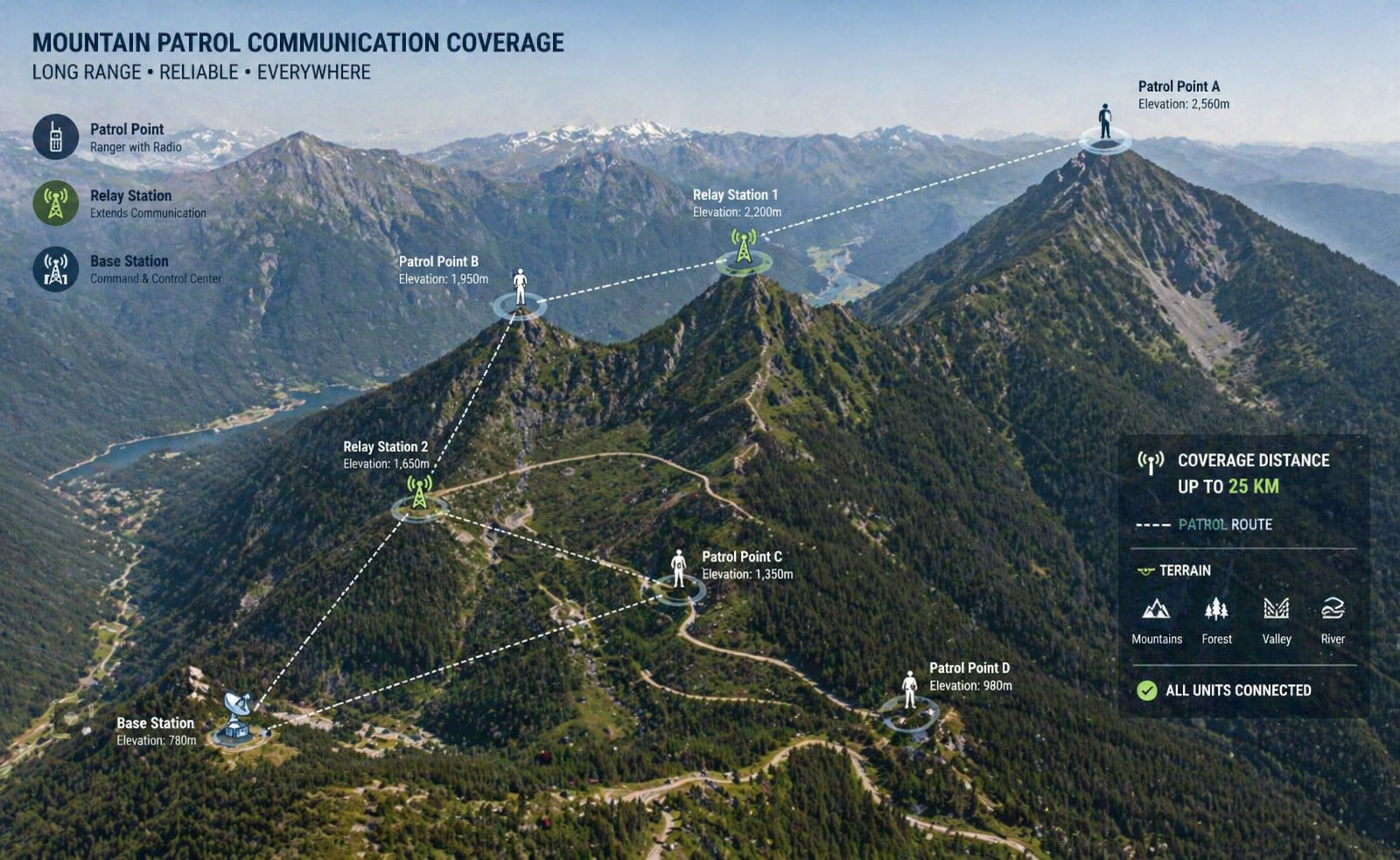

This deployment helps mountain patrol teams stay connected in terrain where ordinary network infrastructure may be limited.
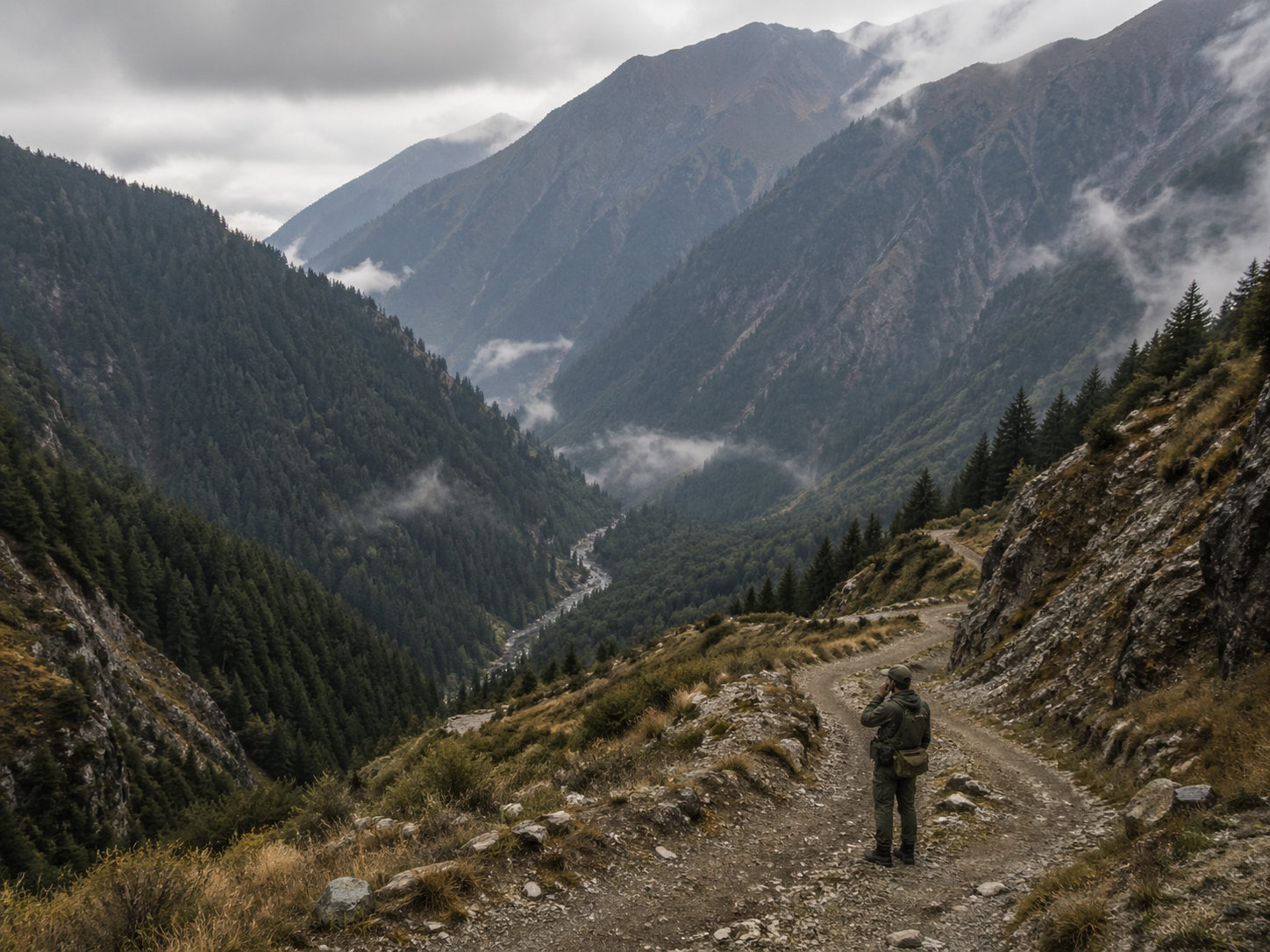
Remote mountain routes can be long and difficult to cover. Signal blocking, public-network gaps and moving patrol teams make stable voice communication and command visibility difficult.
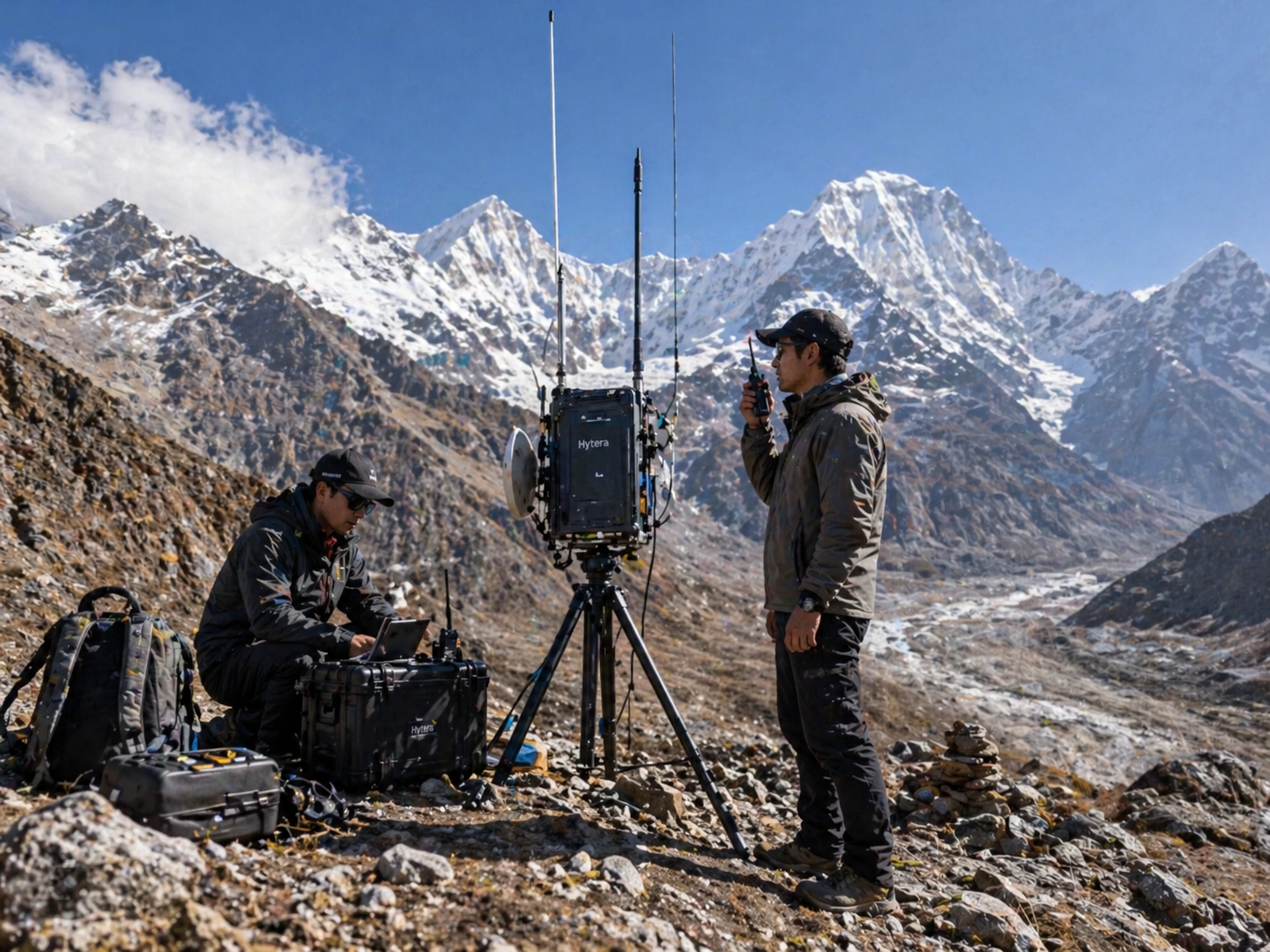
Fixed high-point base stations, portable blind-spot nodes, digital patrol terminals and dispatch-side GIS visibility create a dedicated patrol communication network aligned with an emergency rescue communication solution.
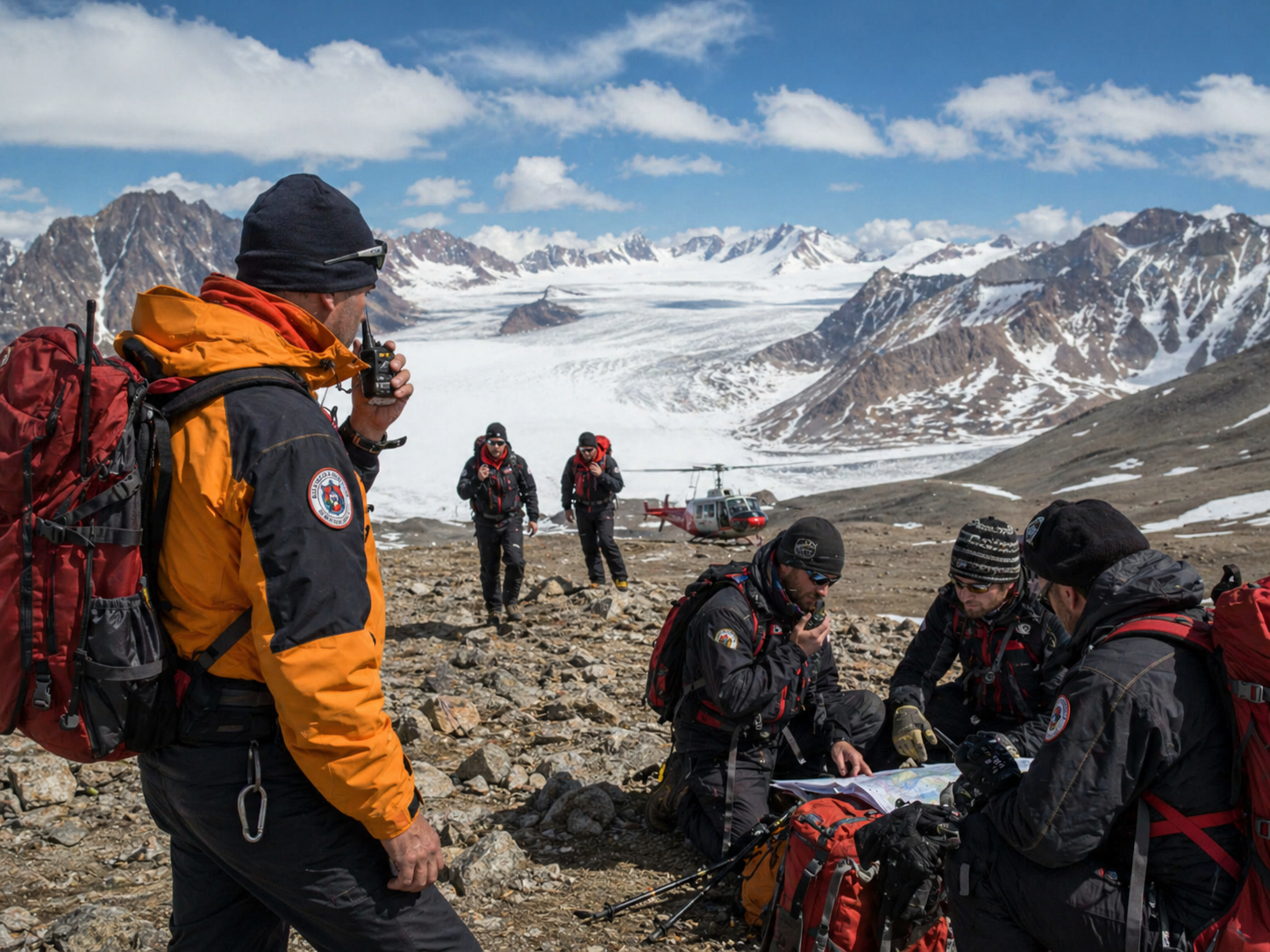
Patrol safety, route visibility and emergency coordination are improved, helping teams maintain communication across remote and no-signal patrol sections.
The solution combines fixed coverage, portable extension, patrol terminals and command-side visibility into one field-ready mountain patrol network.
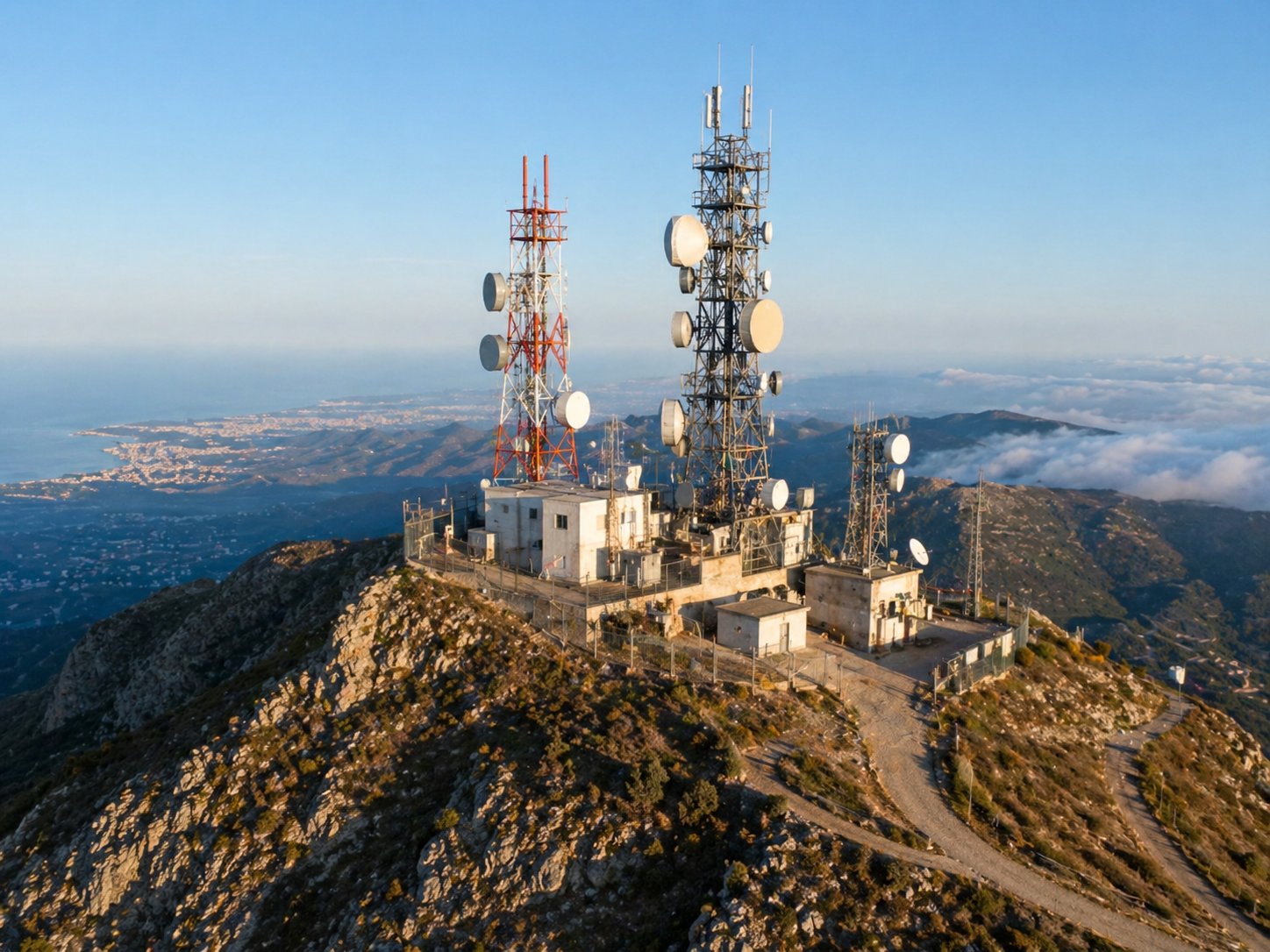
High-point base stations provide the backbone for wide mountainous route coverage and long-distance relay.
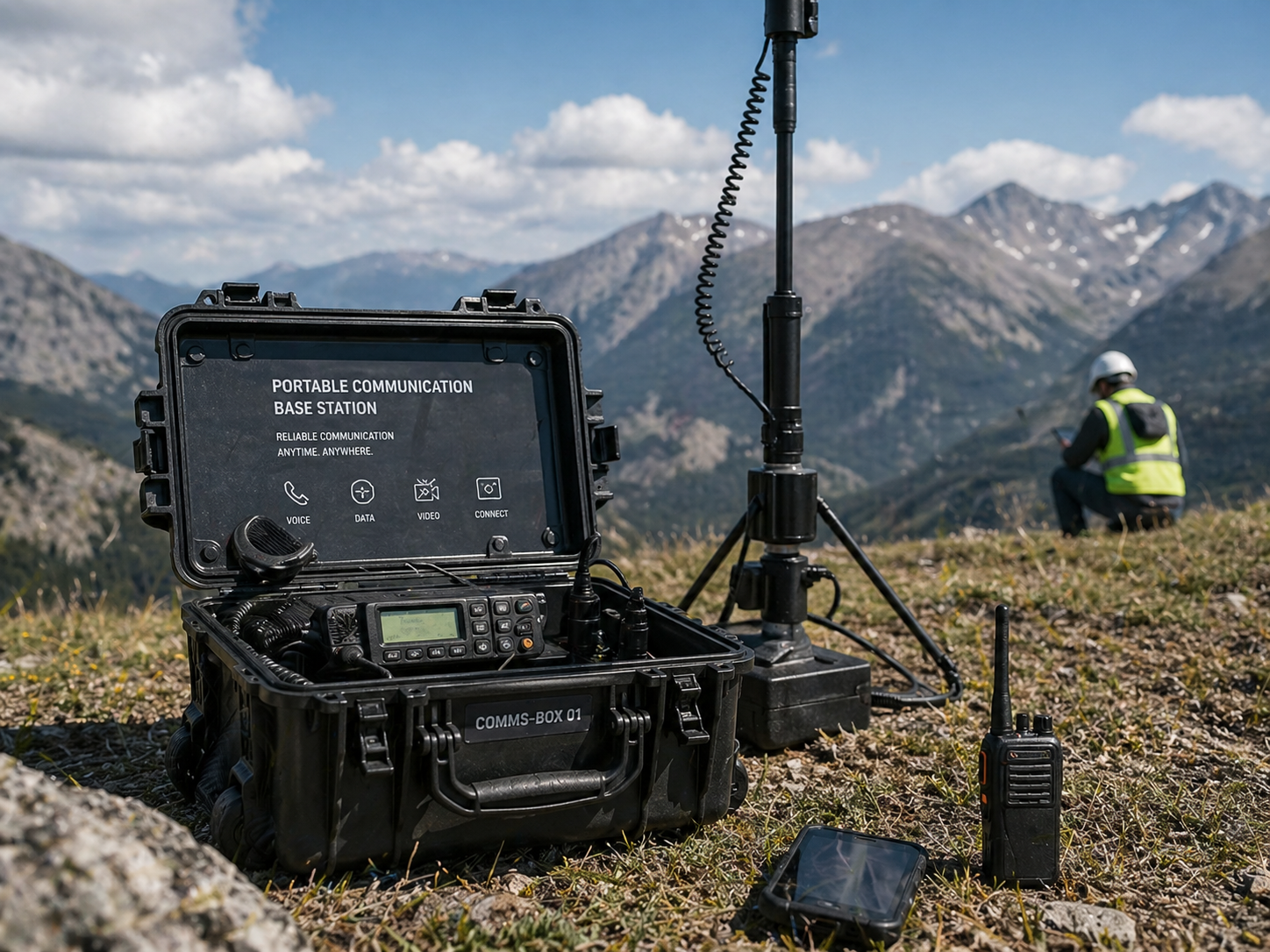
Portable nodes can be added where patrol routes enter blind sections or where temporary extension is required.
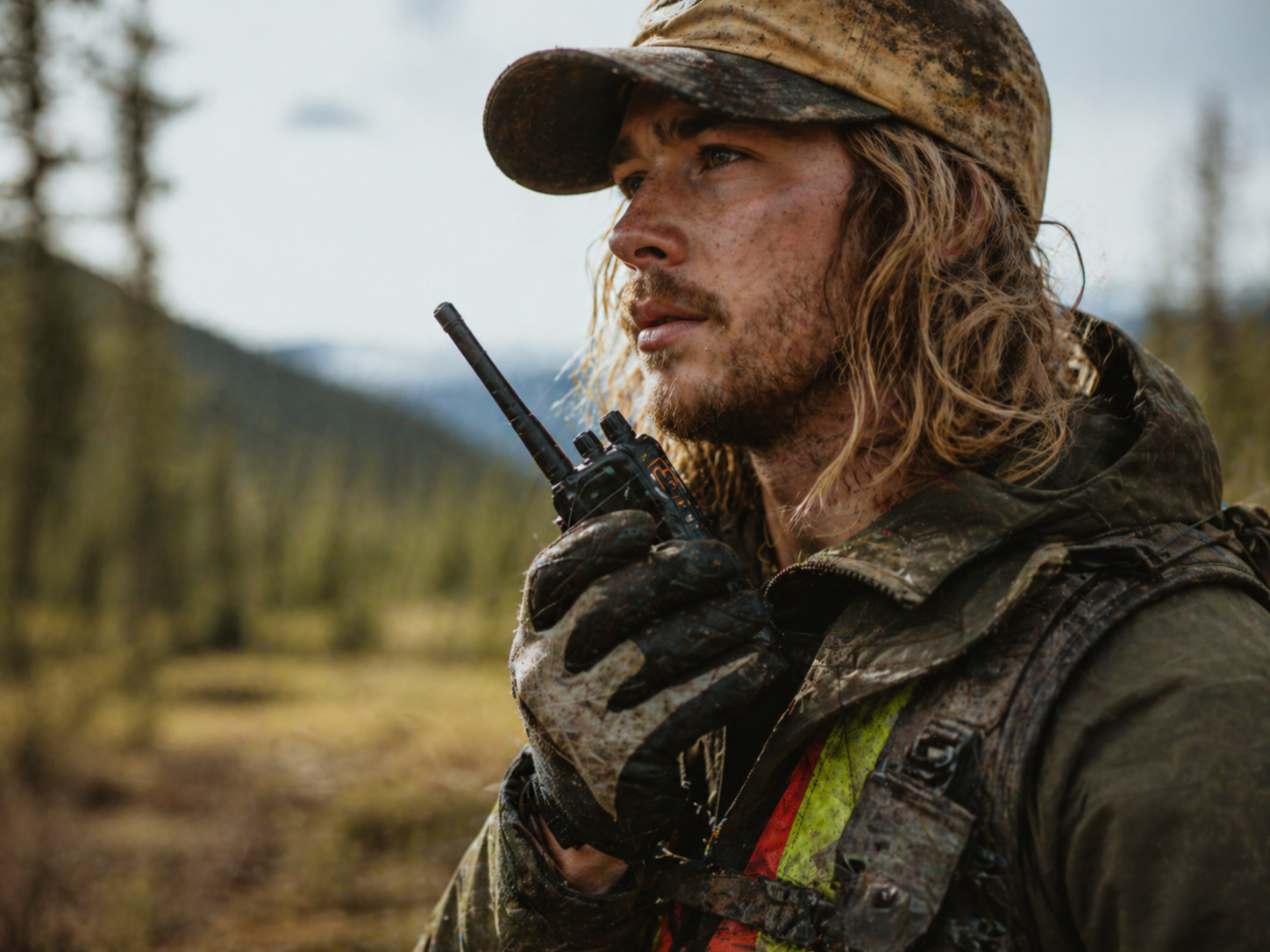
Digital terminals including N-DMR dual-mode radio, portable patrol communication terminal and rugged 4G PoC radio options support intercom, emergency contact and field communication in no-public-network areas.
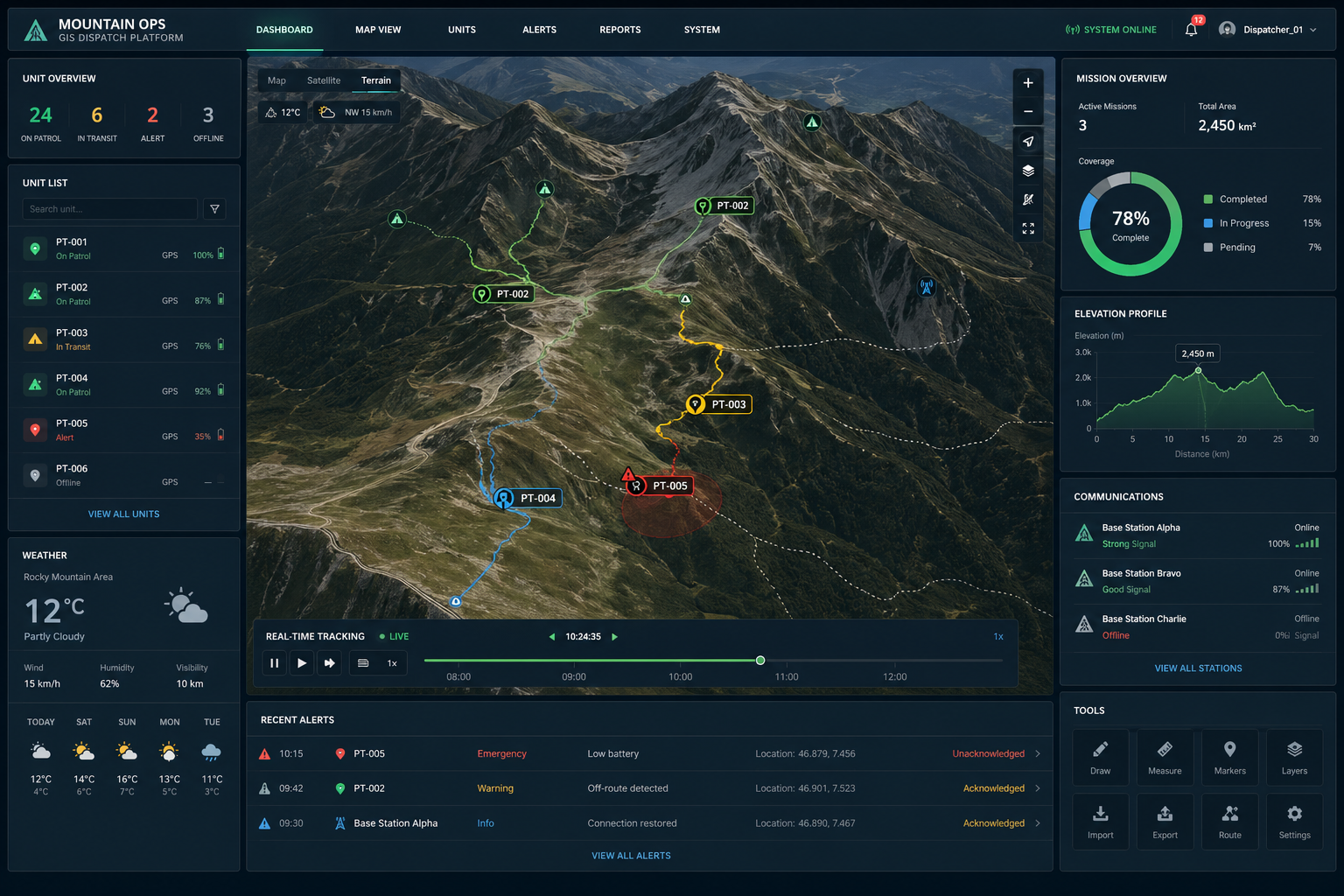
Command-side platform supports positioning, tracking, group communication, message dispatch and patrol visibility.
The value of this deployment lies in combining route coverage, patrol safety and command-side visibility for remote-area operations.
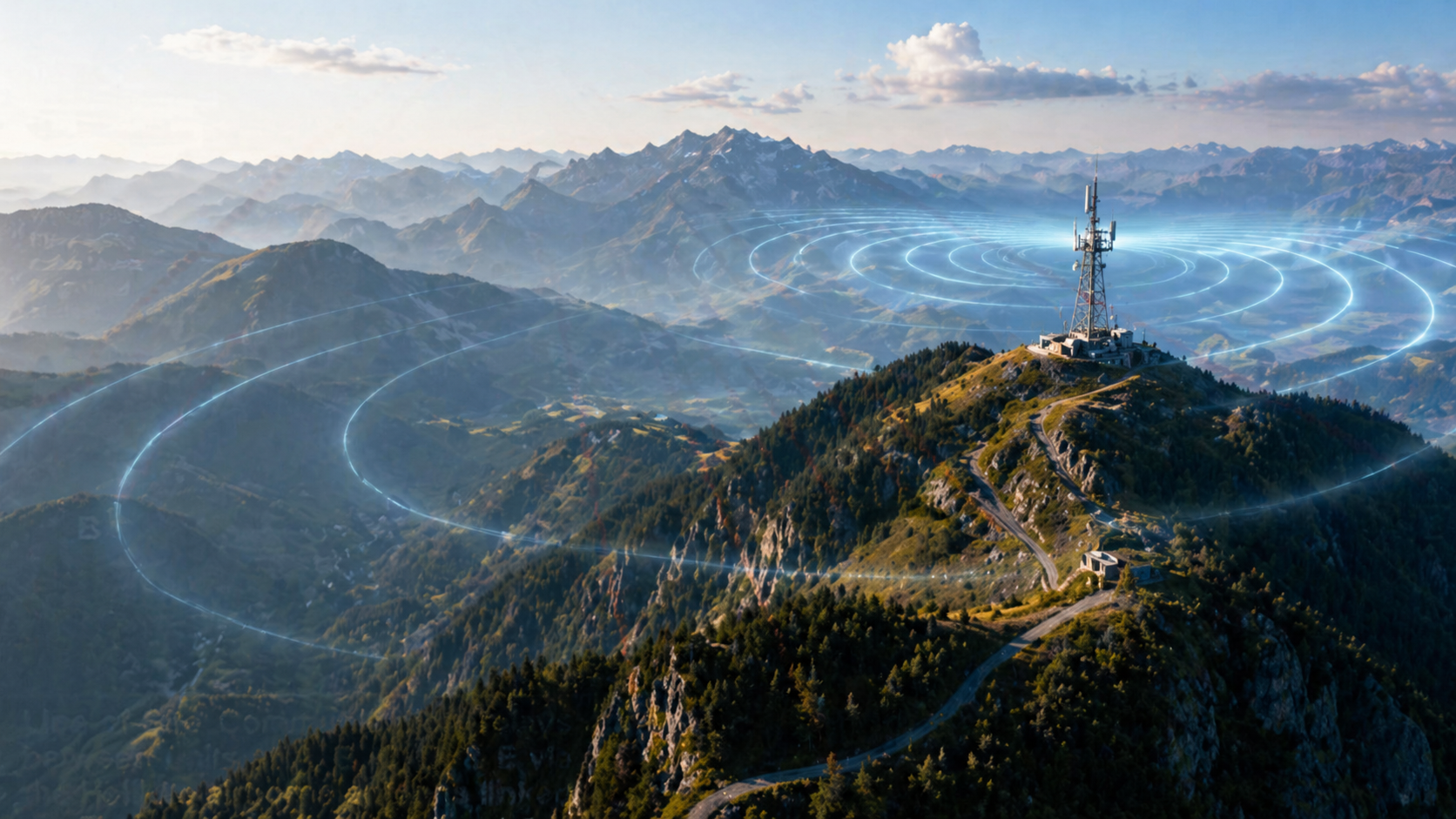
Supports communication continuity across long mountain patrol routes and difficult remote-area terrain.
Multiple base stations can form one same-frequency coverage zone, improving route continuity for moving patrol teams.
The system is designed to reduce reliance on a single central point and support more resilient field communication.
Devices can auto-network on startup, while portable nodes help recover blind sections or temporary coverage gaps.
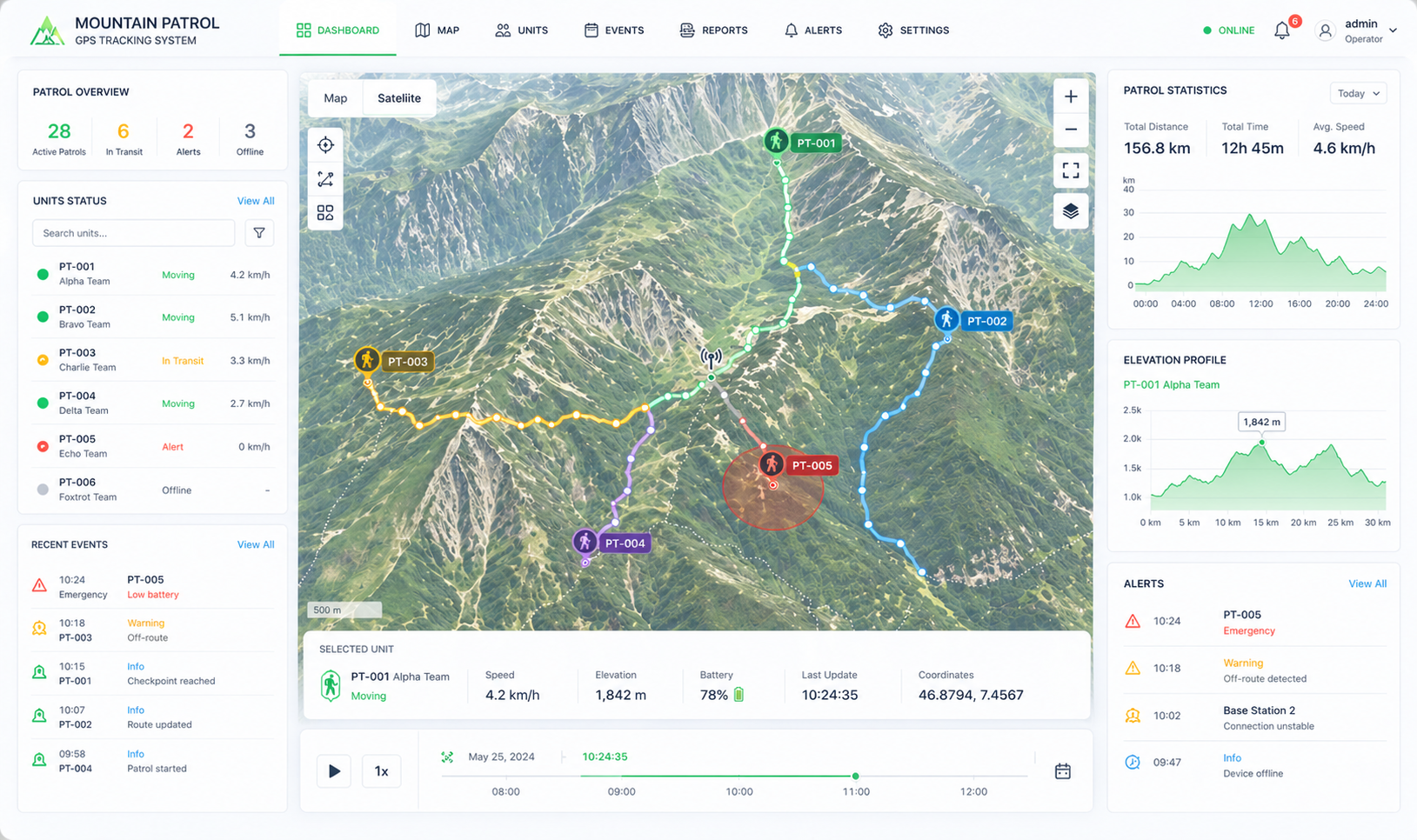
Command-side users can view personnel location, track moving teams and replay route trajectories.
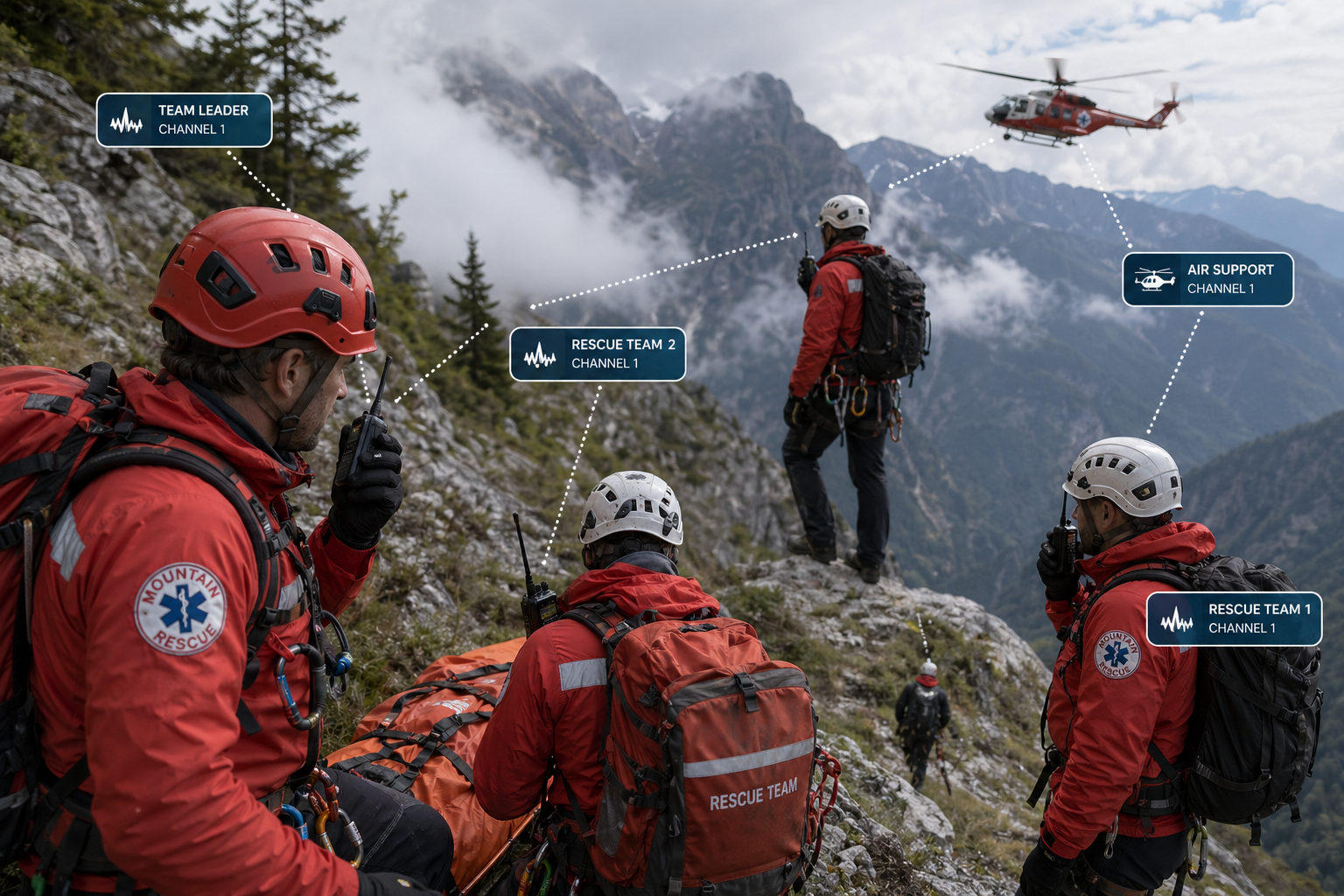
Supports emergency alert, route visibility and communication resilience for remote patrol and rescue scenarios.
The mountain patrol solution links high-point base stations, route-side patrol terminals and dispatch-side location awareness into one continuous remote-area workflow.
These representative functions show how the mountain patrol deployment supports remote coverage, patrol positioning, field communication and command-side visibility.
| Module | Representative Feature | Public-facing Description |
|---|---|---|
| Coverage Goal | Long-distance patrol route | Designed to maintain stable communication across long mountain patrol routes and remote inspection areas. |
| Network Logic | Self-organizing wireless coverage | Base stations and terminals automatically form one dedicated wireless patrol network without wired dependency. |
| Coverage | Same-frequency networking | Multiple fixed and portable nodes can use one frequency to create a broader seamless patrol communication zone. |
| Topology | Flexible route-based networking | The network can be organized flexibly based on patrol route shape, terrain conditions and coverage requirements. |
| Command | Visual dispatch & GIS | Supports terminal positioning, route tracking, trajectory playback and patrol-team visualization on the platform. |
| Terminal | Digital patrol intercom | Handheld patrol devices support self-organizing access, intercom and remote-area voice communication. |
| Backup | Public-network / satellite-assisted continuity | Optional backup communication paths can support wider emergency command continuity when required. |
| Safety | Emergency alert & patrol visibility | Supports emergency alerts, route supervision and safer coordination for remote mountain patrol operations. |
If your project involves mountain patrol, forest inspection, long-route field operations or no-signal remote-area communication, we can help match a suitable self-organizing coverage and patrol dispatch solution.
Continue browsing related pages, or go directly to the inquiry page to discuss your project.