
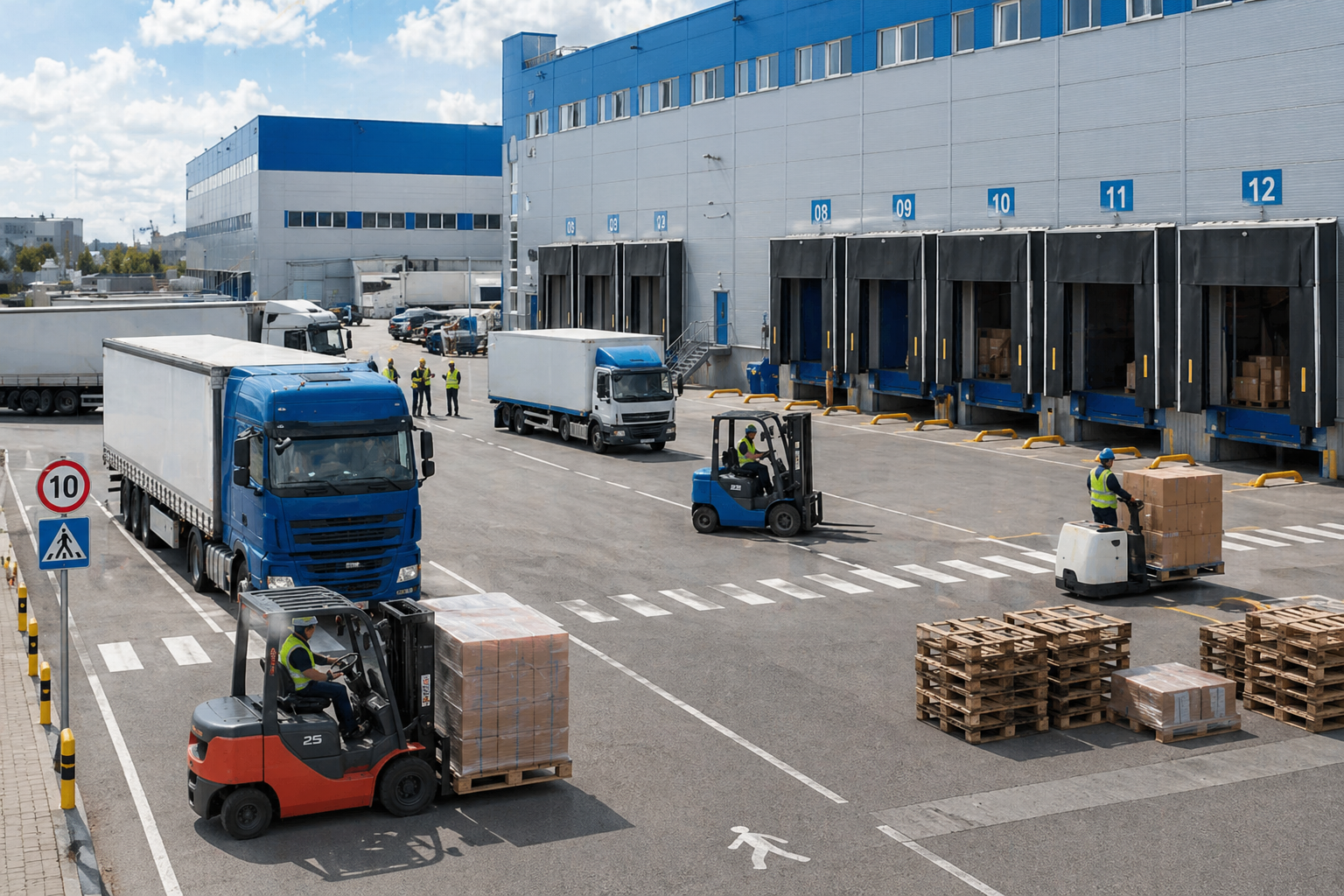
Large Industrial Site Coverage
Wide-area communication across production areas, logistics yards, loading zones and operational routes.
Unified communication and dispatch across personnel, vehicles and industrial sites, enabling real-time coordination, positioning visibility and command-side control.

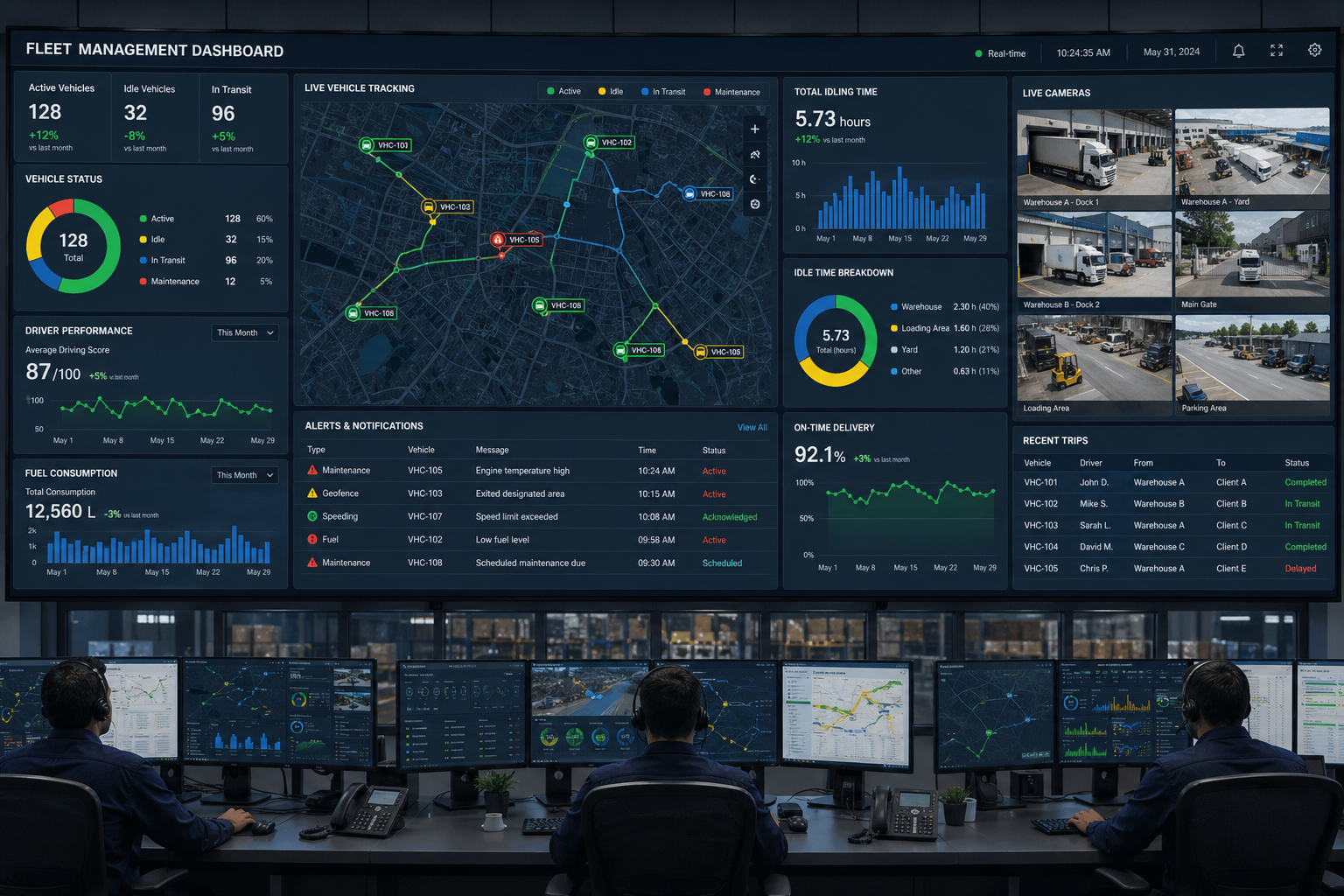
Industrial sites often involve distributed vehicles, drivers, field workers and supervisors. When communication is fragmented, dispatch efficiency, safety response and task visibility can become difficult to manage.
The system was designed to connect personnel communication, vehicle positioning, command-side dispatch and operational data into one unified workflow for industrial site coordination.
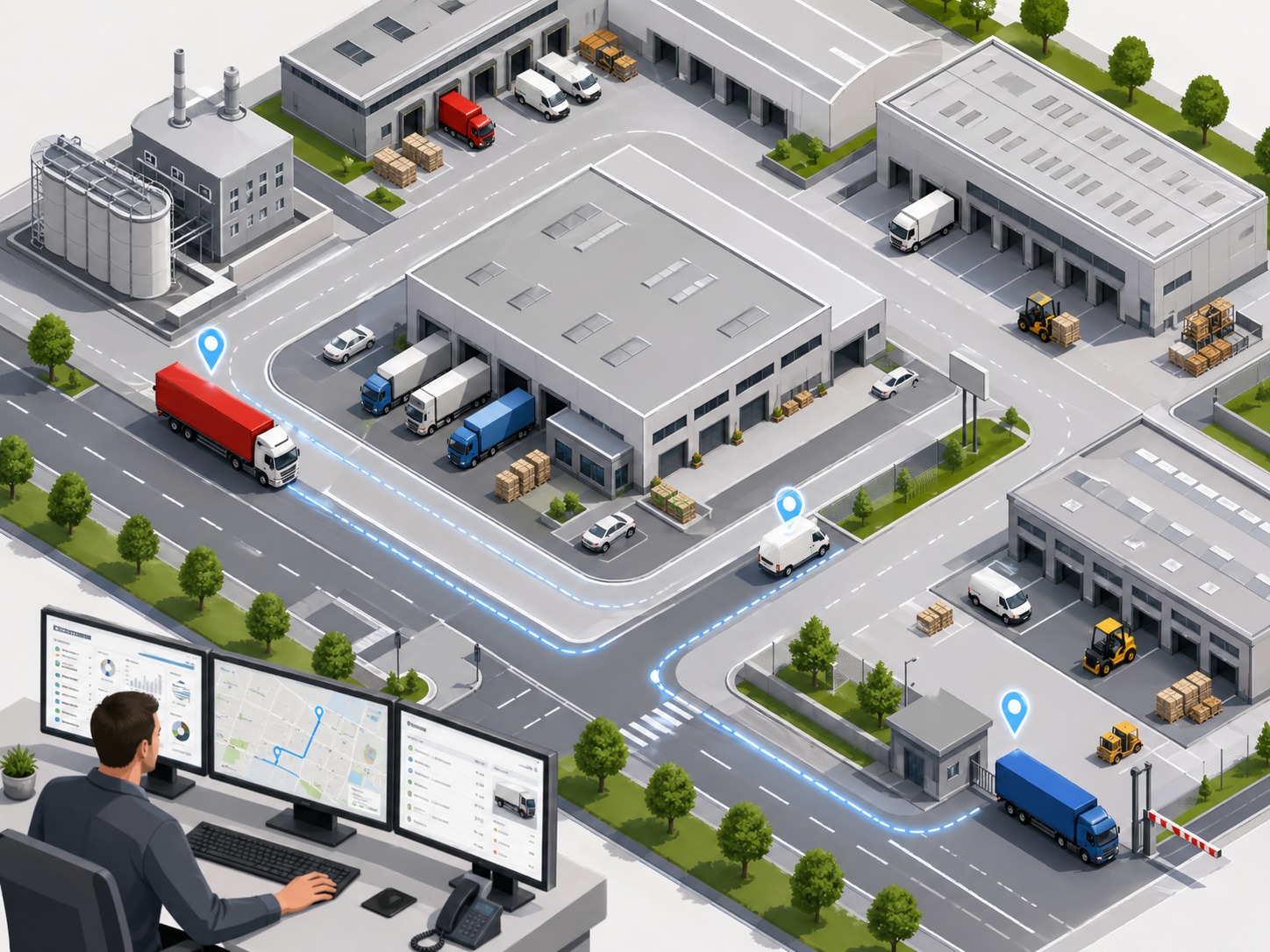
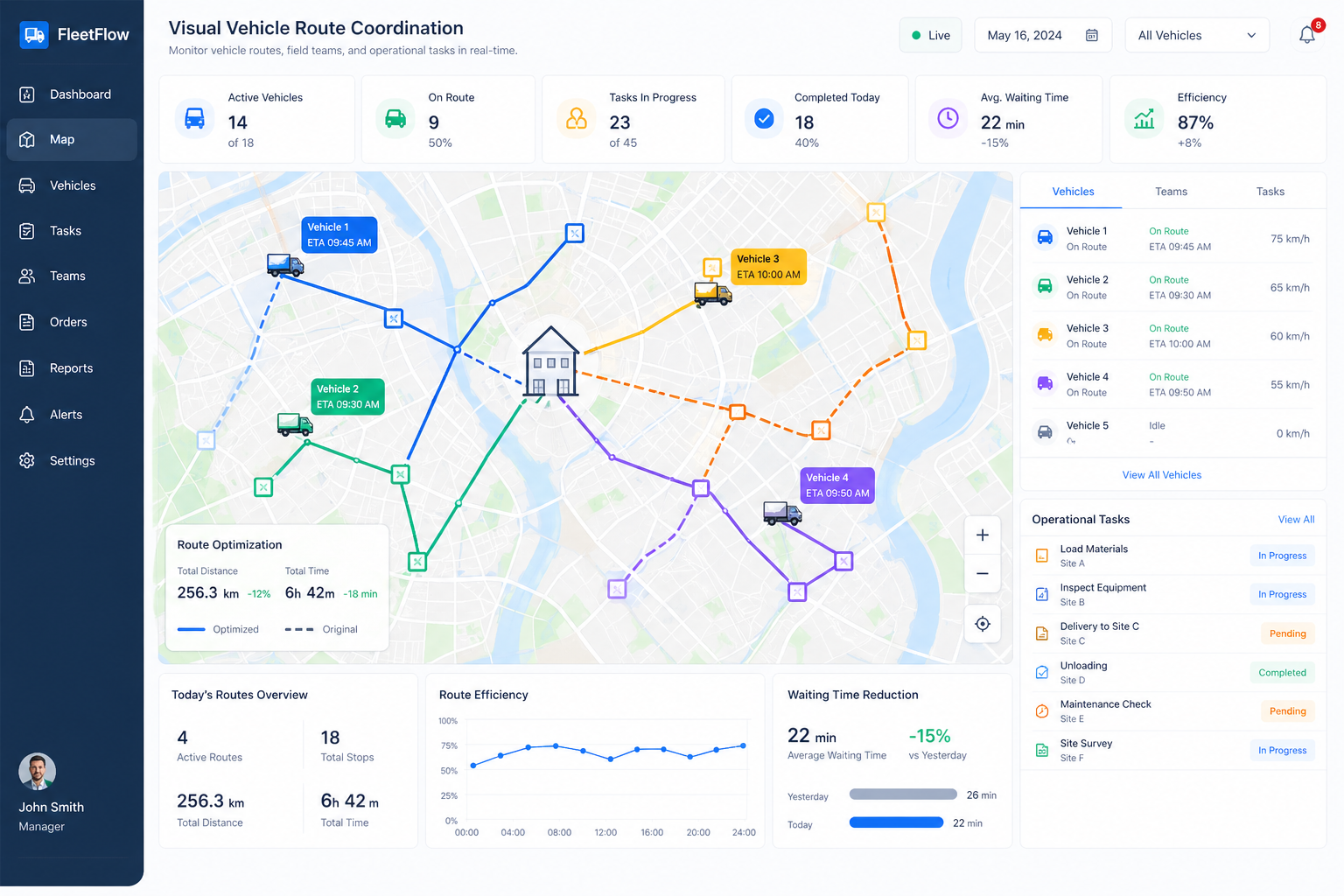
This deployment improves dispatch efficiency, fleet visibility and real-time communication across complex industrial environments.
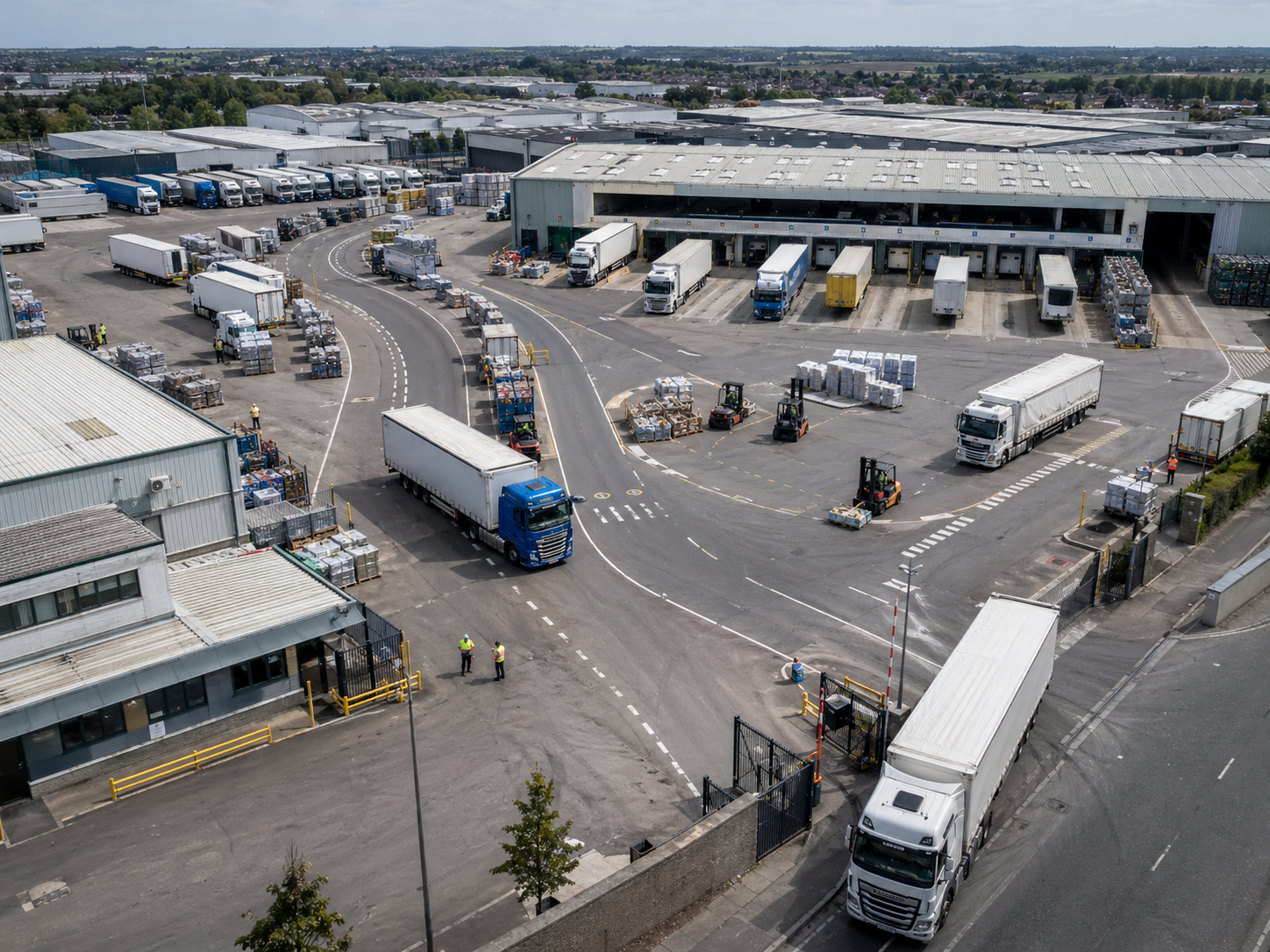
Industrial vehicles and field teams may be spread across production zones, warehouses, loading areas and outdoor yards. Manual dispatch and fragmented communication can slow down daily operations.
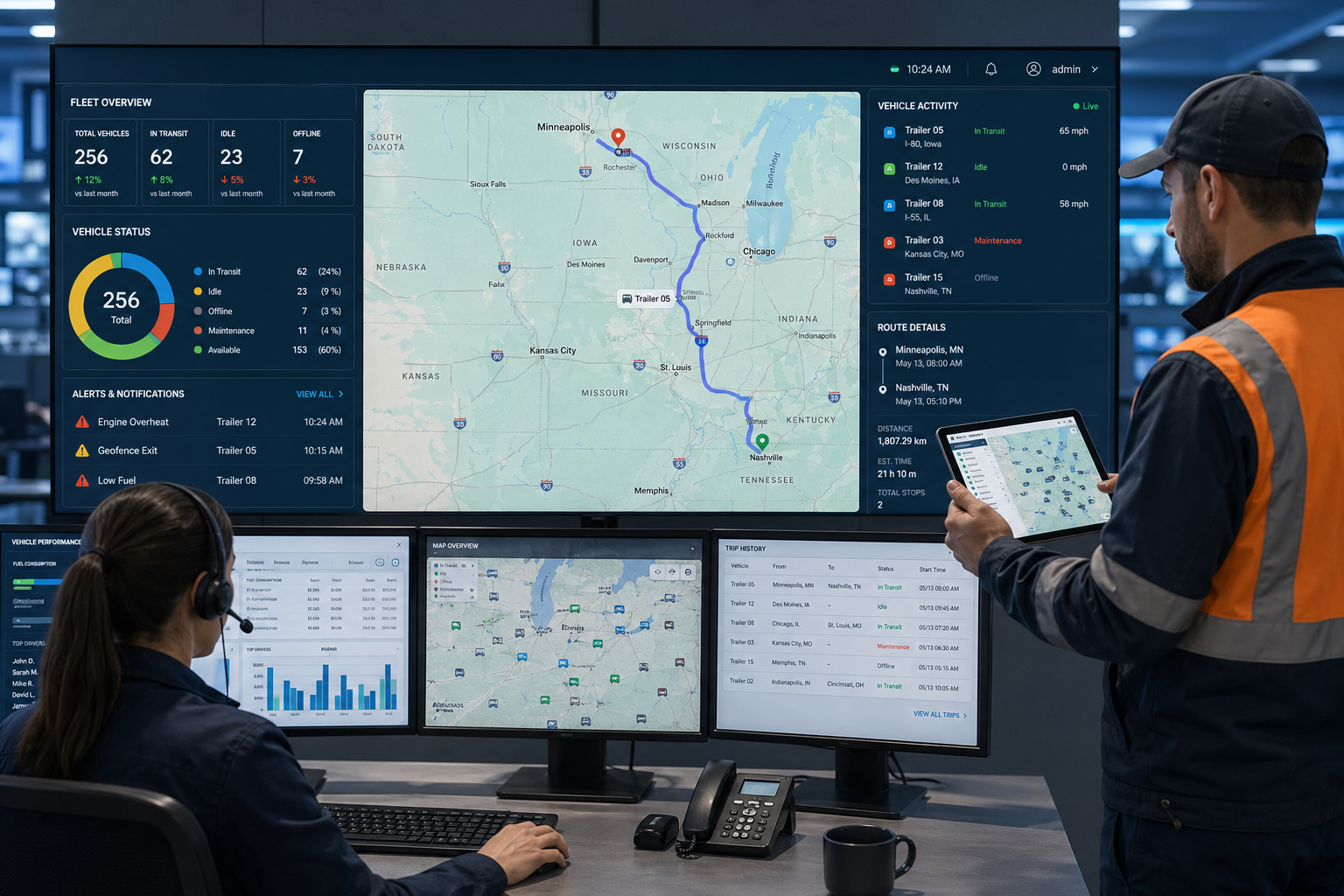
The system integrates vehicle terminals, handheld communication, positioning data and a dispatch management platform to support real-time coordination and task execution within a logistics and transport communication solution.
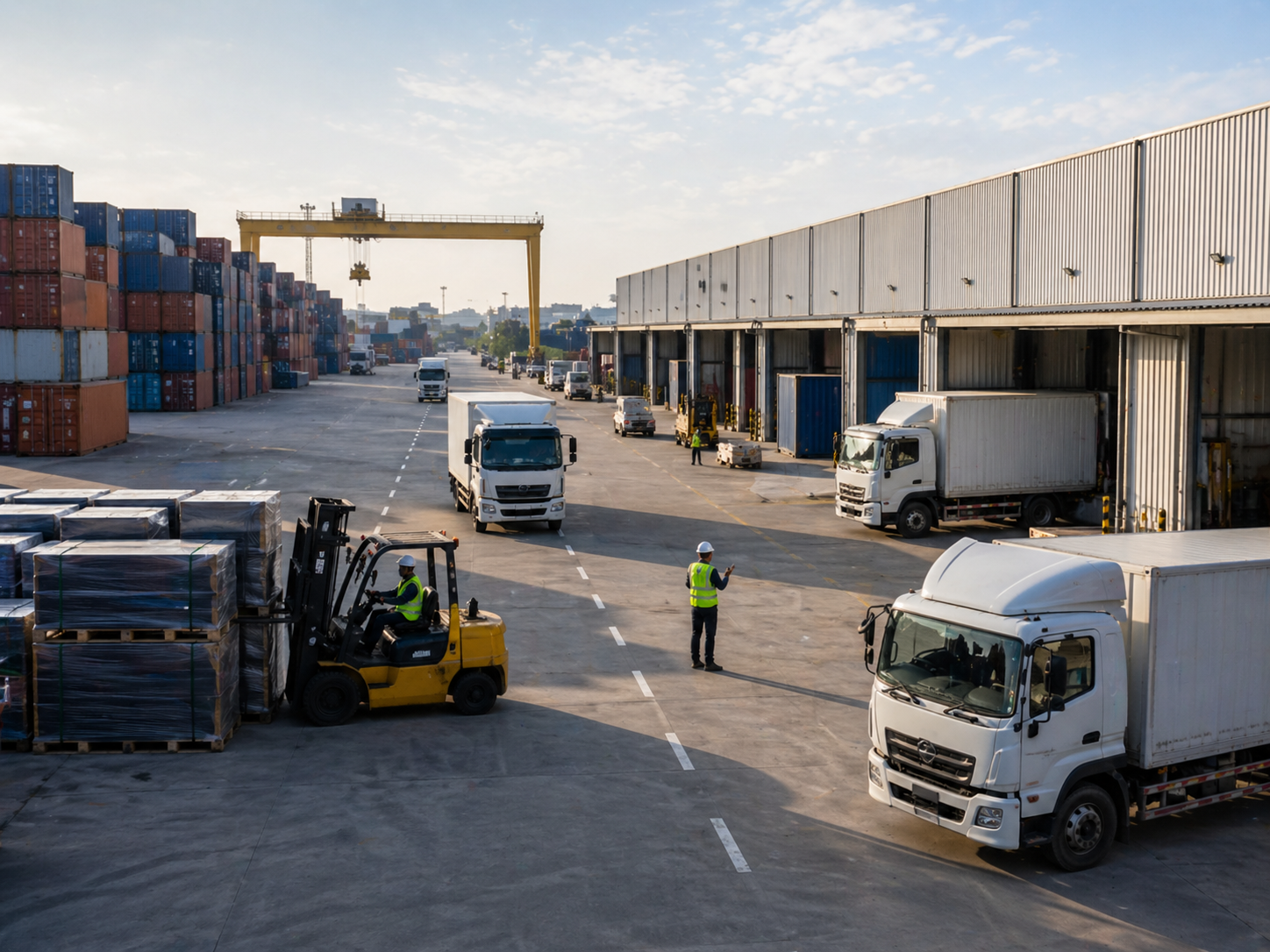
Dispatchers gain clearer visibility of vehicles and workers, helping reduce communication delays, improve task response and support safer industrial site operations.
The system combines dispatch software, vehicle-side terminals, field communication and positioning tools into one industrial coordination structure.
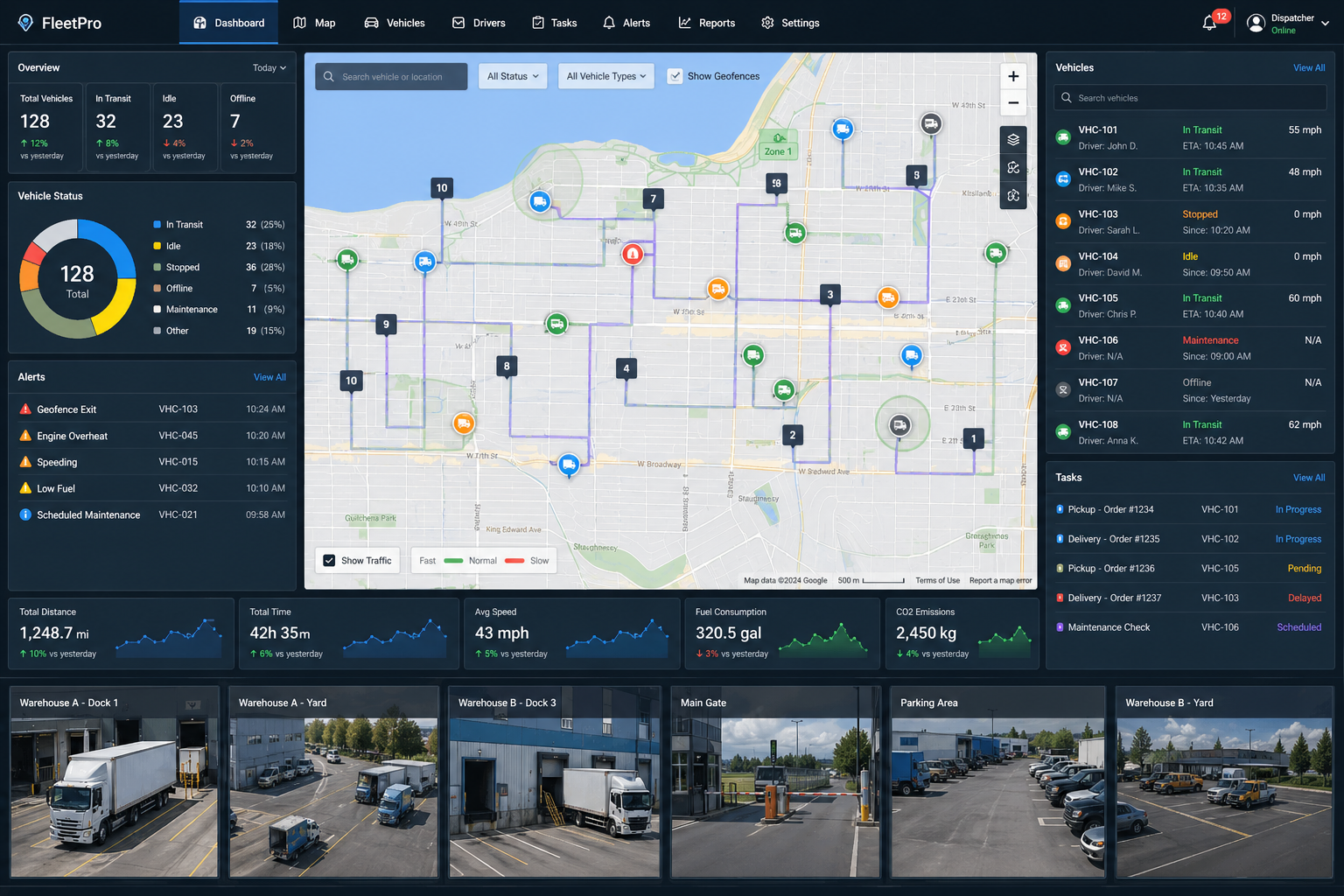
Supports map-based vehicle monitoring, task allocation, status visibility and command-side coordination.
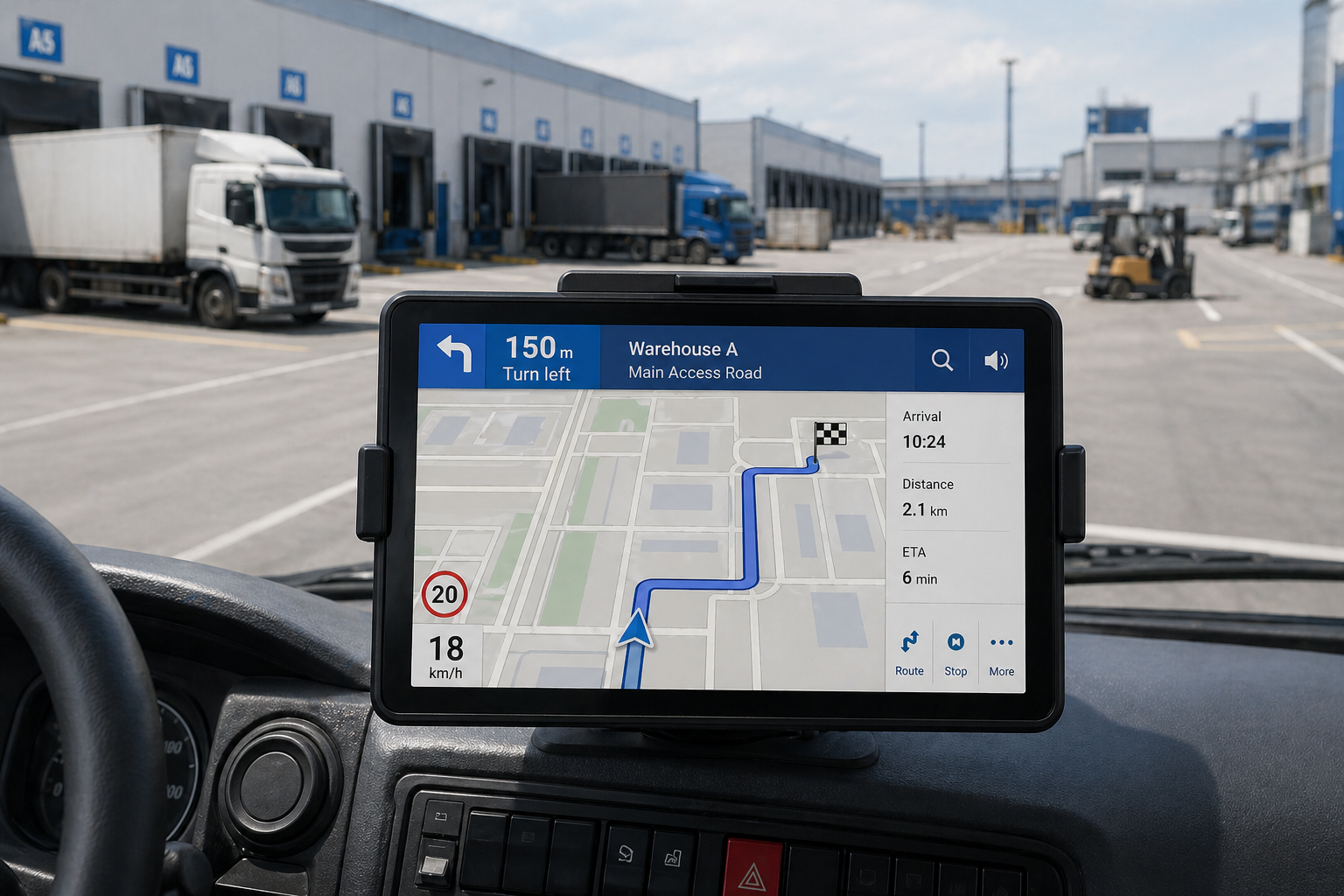
Connects trucks, forklifts, patrol vehicles and site vehicles into the dispatch and positioning workflow using 4G/5G PoC radio and public network communication device options.
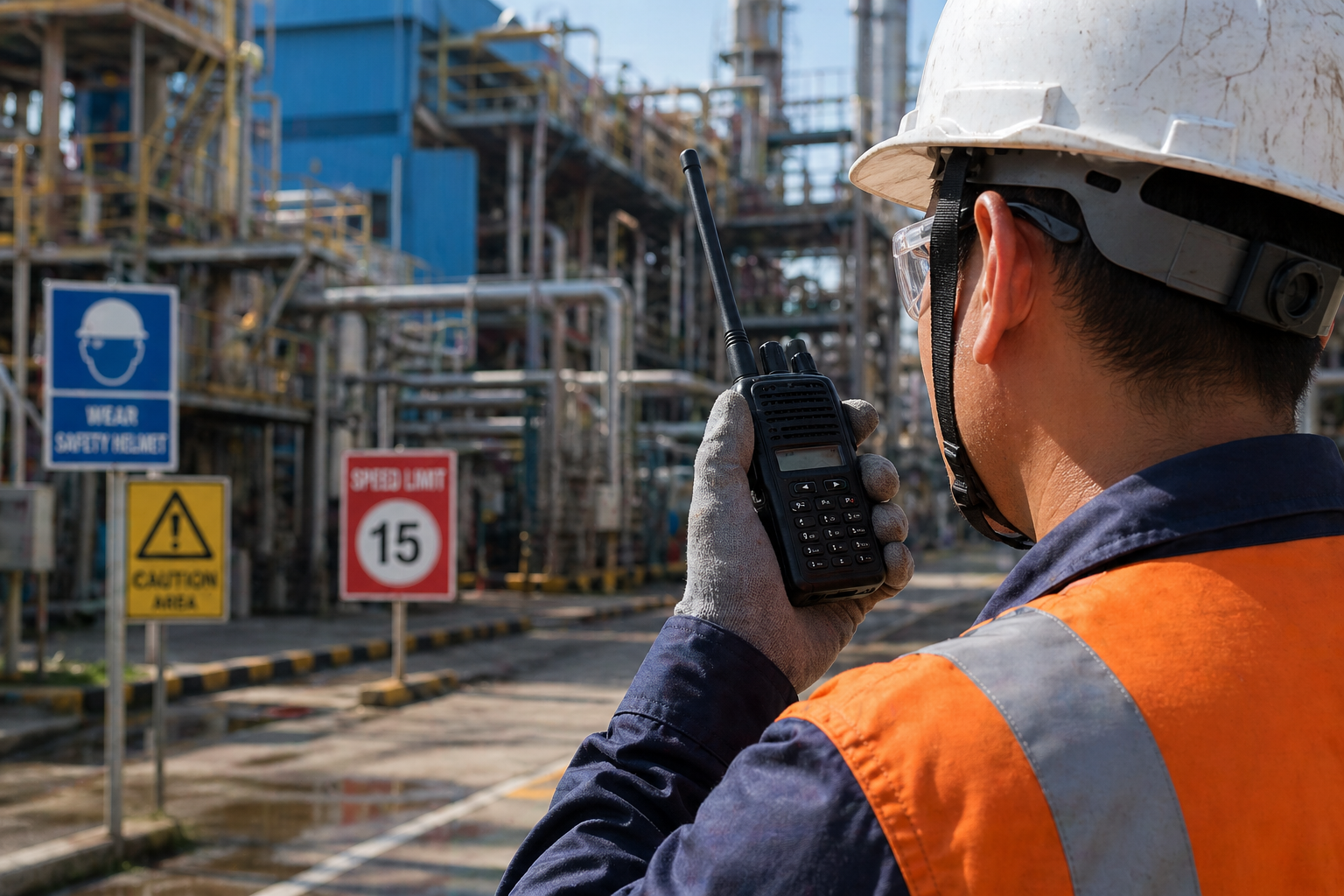
Provides direct voice communication between drivers, field workers, supervisors and dispatch operators with rugged 4G PoC radio support.
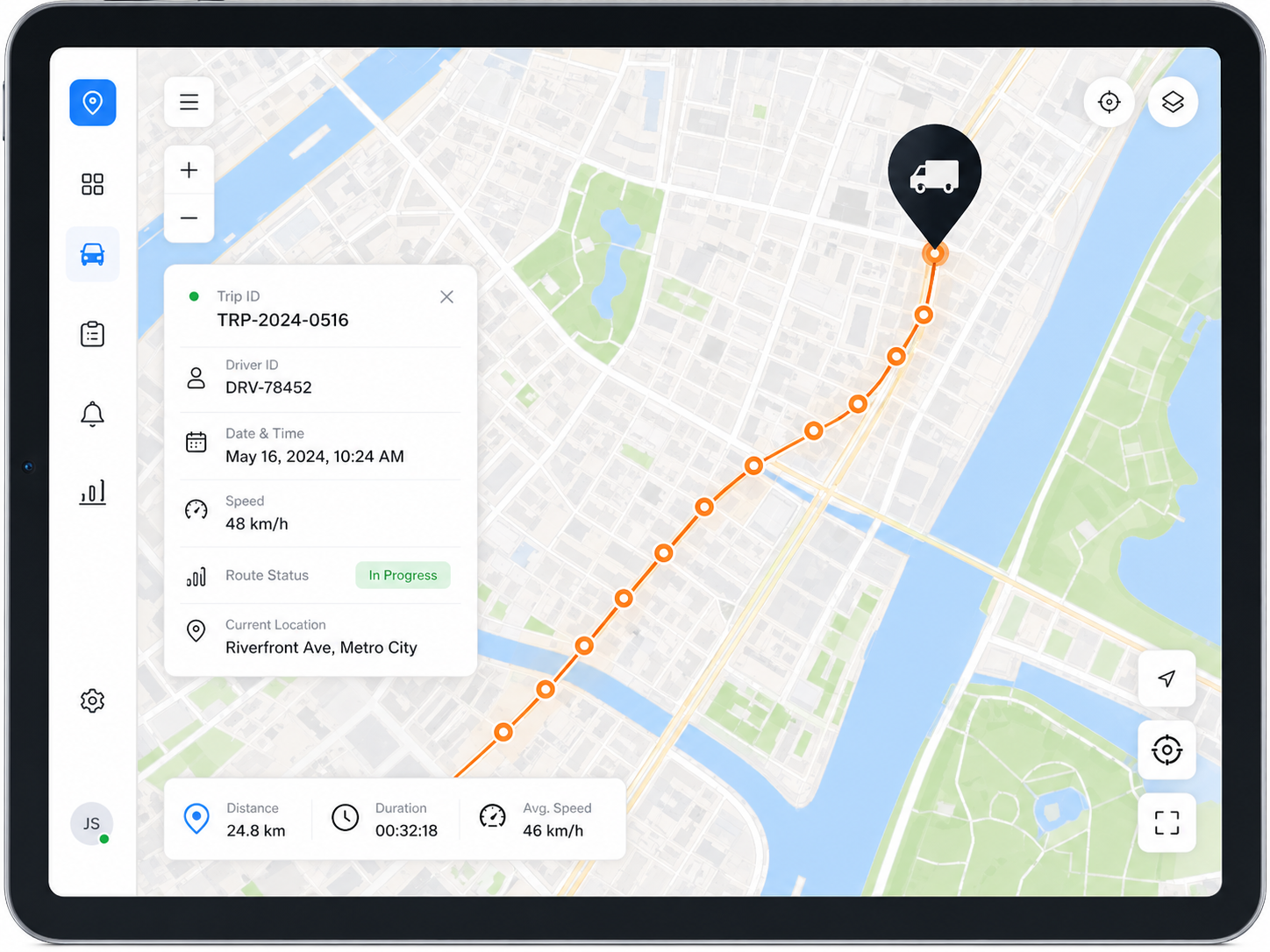
Supports real-time vehicle location, route visibility and movement tracking for site operation management.
The value of this case lies in connecting dispatch, communication, positioning and field execution into one industrial operation workflow.
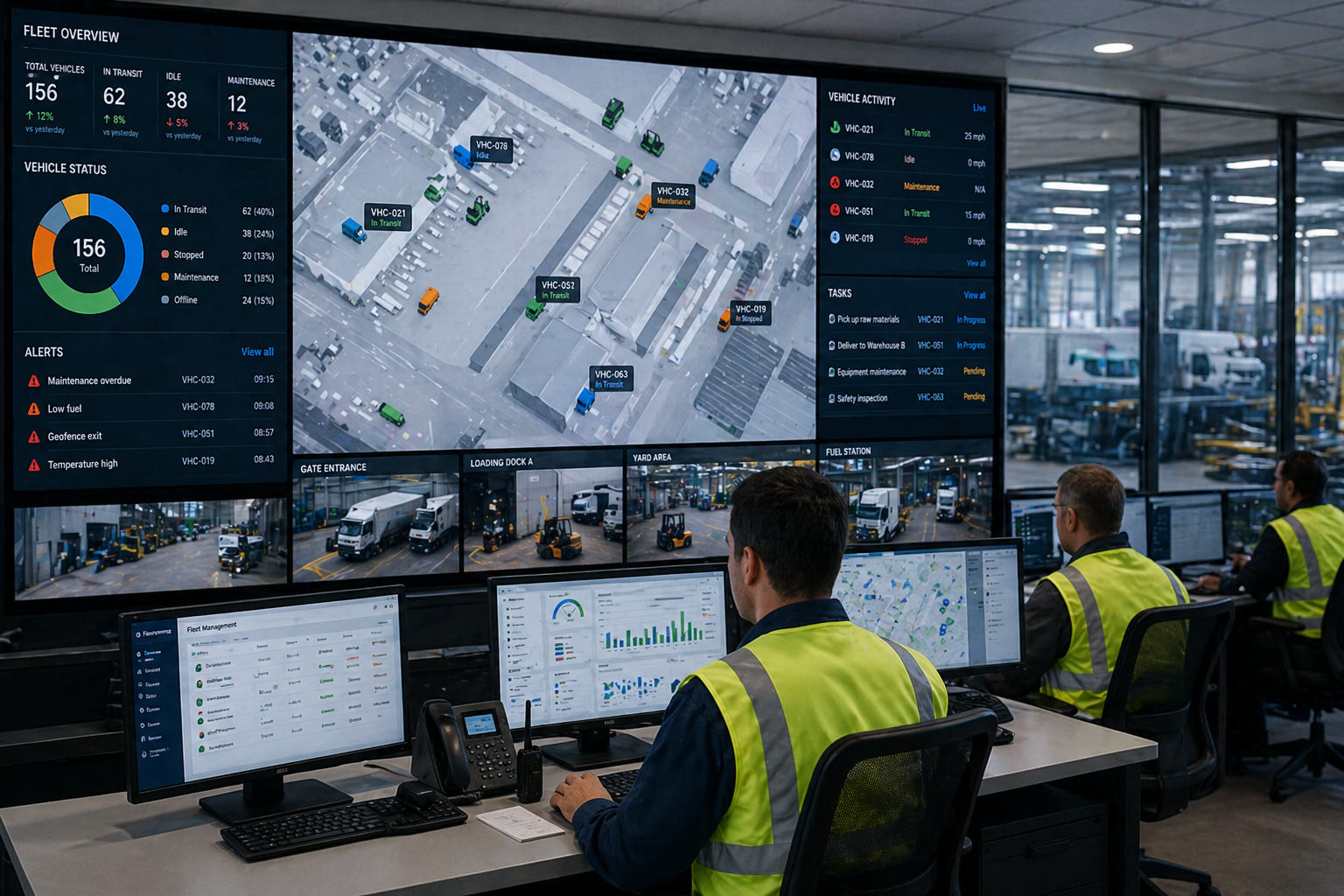
Dispatchers can assign tasks, coordinate vehicles and communicate with field teams from one platform.
Vehicle location visibility helps reduce uncertainty and supports more informed dispatch decisions.
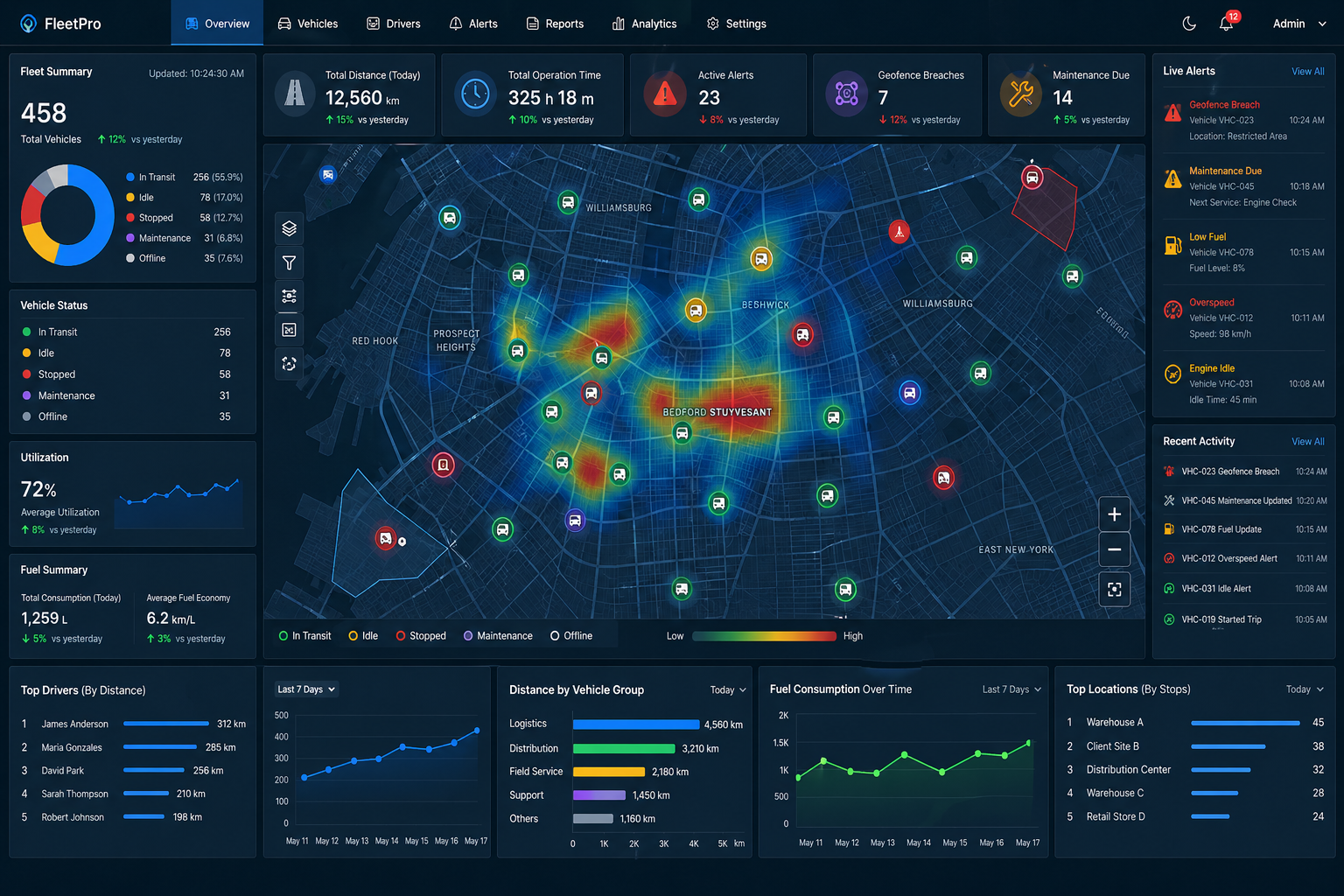
Map-based monitoring helps managers understand vehicle distribution, route status and site activity.
Voice communication helps teams respond quickly to task changes, abnormal events and site coordination needs.
Clearer communication and positioning support safer movement of vehicles and workers across industrial zones.
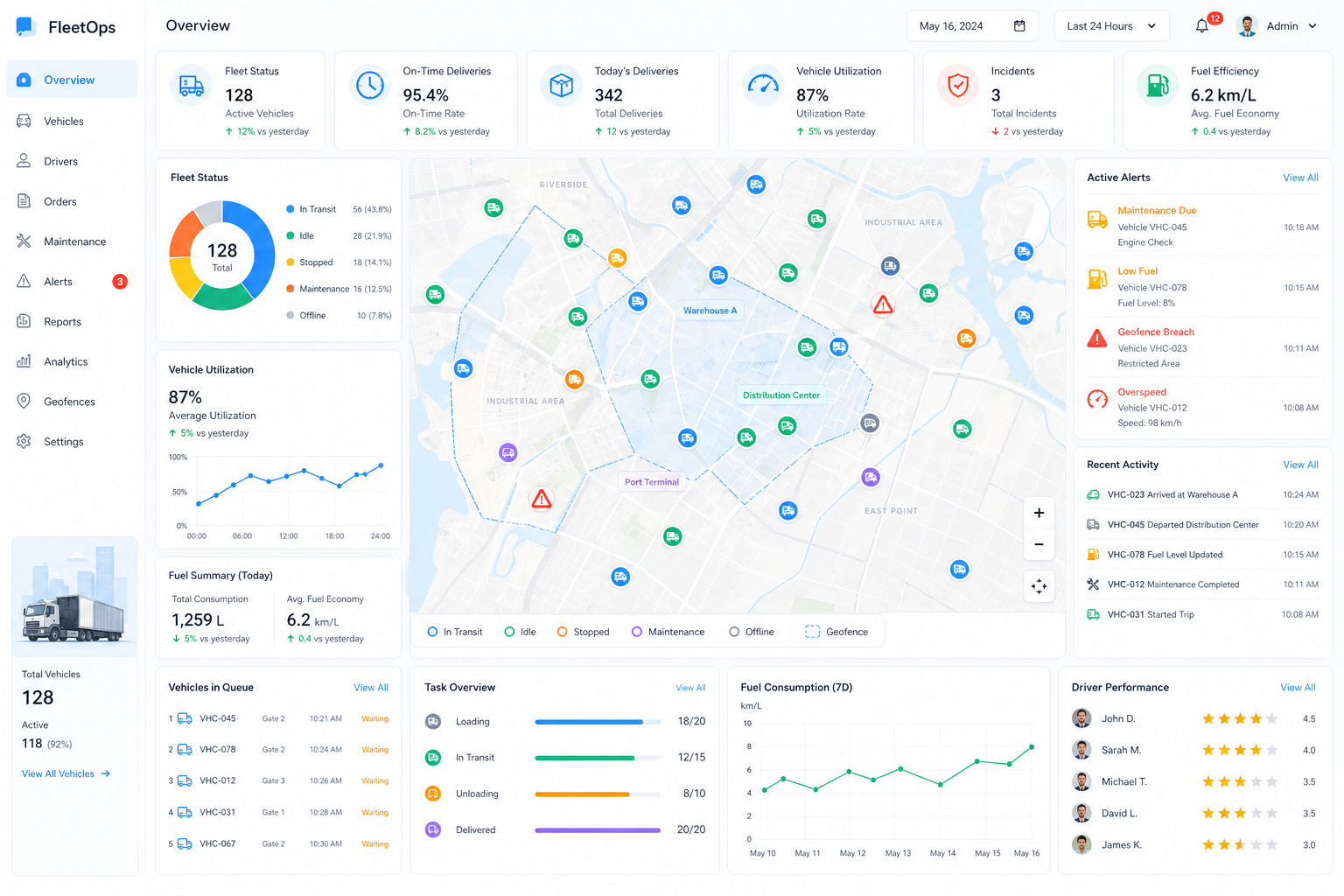
Unified coordination helps reduce waiting time, repeated communication and inefficient vehicle movement.
The system links industrial vehicles, field personnel, communication terminals and command-side dispatch into one visual coordination workflow.
These representative functions show how the deployment supports vehicle dispatch, site communication, positioning and operational visibility.
| Module | Representative Feature | Public-facing Description |
|---|---|---|
| Dispatch Platform | Map-based dispatch | Supports visual vehicle monitoring, task coordination and site-level dispatch management. |
| Vehicle Terminal | Positioning and status upload | Reports vehicle location and status to help dispatchers understand site movement in real time. |
| Field Communication | Voice coordination | Supports voice communication between drivers, field personnel, supervisors and command-side users. |
| Operation Management | Vehicle route visibility | Helps review movement paths, dispatch history and operational execution across industrial sites. |
| Command Center | Unified supervision | Provides one interface for vehicle coordination, field communication and operational oversight. |
| Emergency Coordination | Rapid response support | Helps dispatchers respond faster to site incidents, abnormal situations and urgent coordination needs. |
If your project involves industrial vehicles, site coordination, driver communication, positioning or command-side dispatch, we can help match a suitable system structure.
Continue browsing related pages, or go directly to the inquiry page to discuss your project.